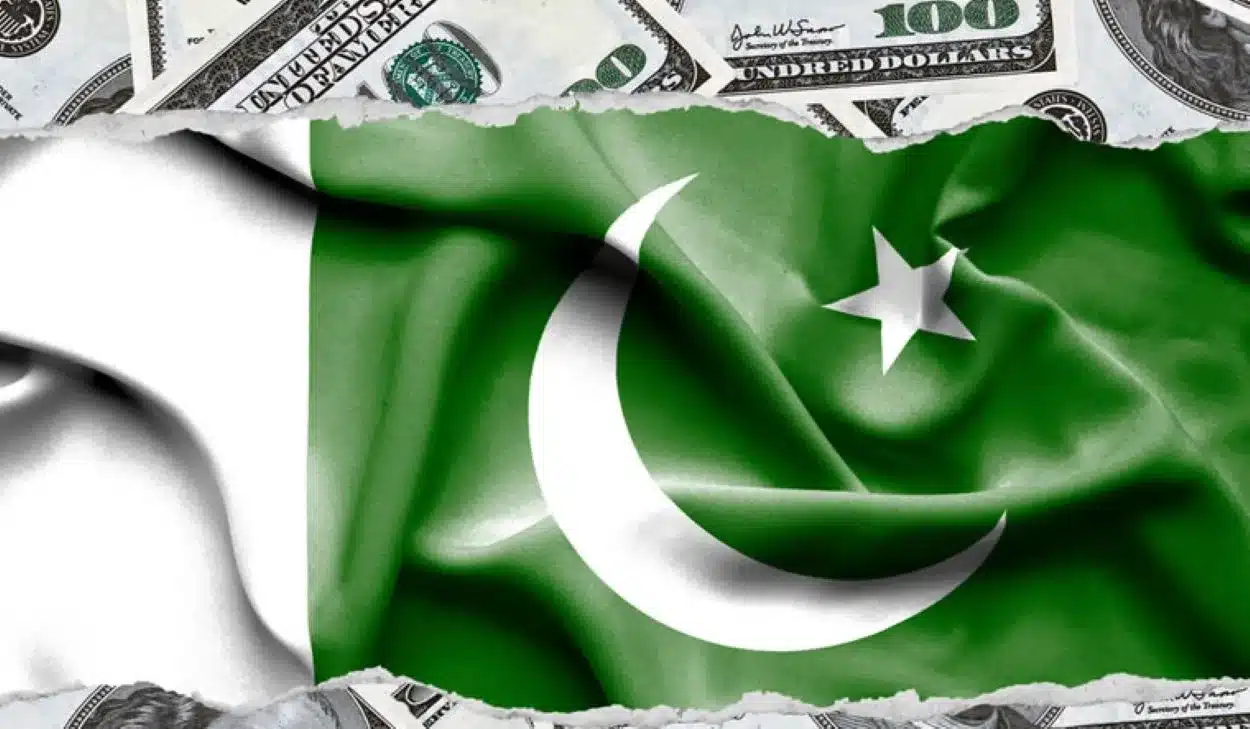

Pakistan’s foreign exchange reserves have achieved a significant milestone, rising to $21.1 billion. This marks the highest level recorded since March 2022 and signals strong positive momentum for the national economy.
According to the latest official data, the State Bank of Pakistan (SBP) holds $15.9 billion of the total reserves. Consequently, the country’s import coverage has strengthened substantially. It now exceeds 2.6 months, a notable improvement from the critically low level of under two weeks witnessed in February 2023.
Economic analysts emphasise that this accumulation is driven by domestic growth and investor confidence rather than external borrowing. Furthermore, key fiscal metrics show marked improvement.
Total liquid foreign #reserves held by the country stood at US$21.09 billion as of December 12, 2025.
For details: https://t.co/WpSgomnKT3#SBPReserves pic.twitter.com/HwEwSnUFax
— SBP (@StateBank_Pak) December 18, 2025The external debt-to-GDP ratio has declined from 31% to 26%. This indicates a reduced reliance on foreign loans and reflects ongoing financial discipline and reform measures. The current figures highlight a dramatic economic turnaround. In 2023, reserves had plummeted to approximately $2.9 billion. Compared to that low point, reserves have grown nearly 5.5 times.
Additionally, forward foreign exchange liabilities have declined by approximately 65%. This reduction alleviates future financial pressure and underscores a more sustainable reserve position.
Read: State Bank of Pakistan Receives $1.2 Billion IMF Tranche
Between 2015 and 2022, Pakistan’s economy was characterised by rising debt and declining reserves. Since 2022, this trend has decisively reversed. The nation is now experiencing a declining debt-to-GDP ratio alongside a rapid accumulation of foreign reserves.
Experts interpret this progress as a multi-faceted positive signal. It points to reduced external vulnerabilities, stronger reserve buffers, increased business confidence, and broader economic stability.