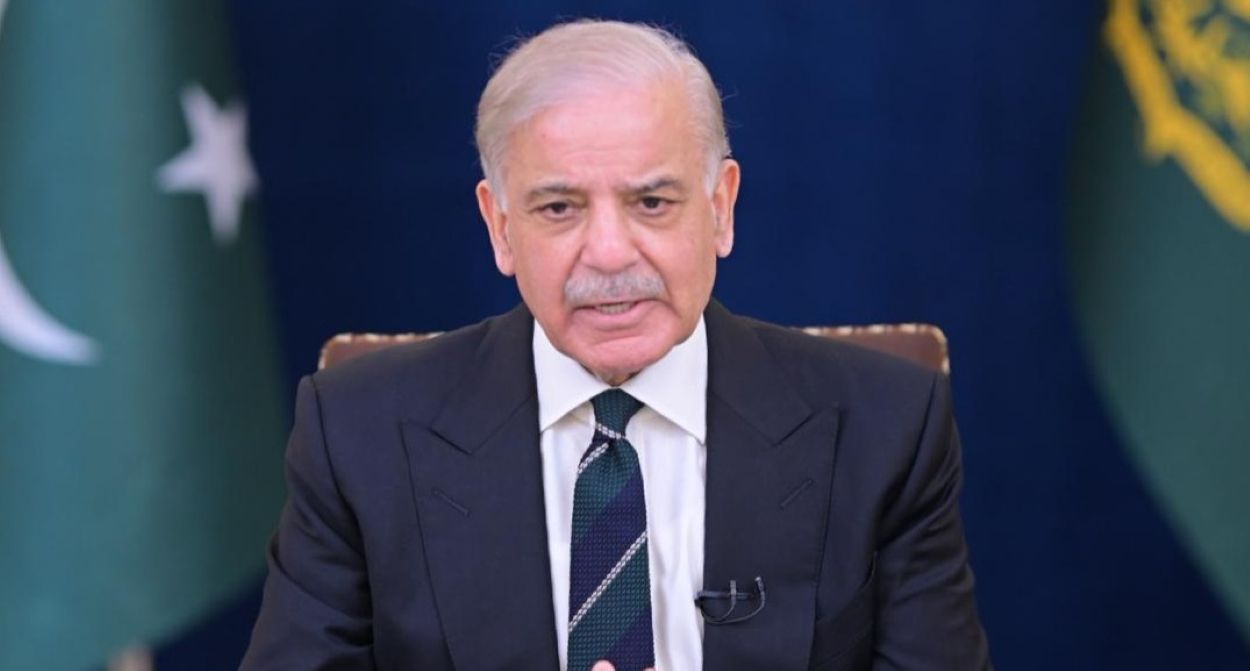

Pakistan’s austerity measures and the crisis response took centre stage on Monday when Prime Minister Shehbaz Sharif announced a broad savings plan to manage rising energy prices and reduce the economic impact of regional conflict.
He said Pakistan faces fuel supply constraints after the closure of the Strait of Hormuz disrupted a major global energy route. He added that the wider US-Israel-Iran conflict had shaken oil markets and pushed crude prices sharply higher.
The prime minister said Pakistan is also pursuing diplomatic efforts to help ease tensions in the region. At the same time, he warned that the country continues to face security pressure on its western borders.
Shehbaz Sharif said the government had already taken difficult decisions, including a 20% increase in petrol and diesel prices. He acknowledged that the move would burden the public, especially low-income households, but said the government saw no other option.
He also warned that fuel prices could rise further if the global energy crisis continues. However, he said the government would try to keep the burden on citizens as low as possible.
To cut fuel use, the government will reduce fuel allocations for government departments’ vehicles by 50% for the next two months. In addition, 60% of vehicles in all government departments will stay off the roads during the same period.
The prime minister also announced cuts in public spending. Federal cabinet members, advisers and special assistants will not take salaries for two months, while members of parliament will face a 25% salary cut. All government departments will also reduce expenditures by 20%.
The plan includes a ban on most foreign visits by ministers and officials, with only essential visits allowed in the national interest. The government will also prioritise teleconferencing and online meetings.
Read: KP Cabinet Approves 50% Work From Home Policy to Cut Fuel Use
Other steps target day-to-day operations. Officers in Grade-20 and above who earn more than Rs300,000 a month will lose two days’ salary. The government has also banned official dinners and iftar parties, and ordered that seminars and official events take place only at government venues.
Shehbaz Sharif said 50% of staff in both the public and private sectors will work from home, except in essential services. Government offices will move to a four-day workweek, although banks will not follow that schedule. He also announced that schools will close for two weeks from the end of the current week.
The prime minister urged traders not to hoard essential commodities and called on the nation to show unity and responsibility during the crisis.