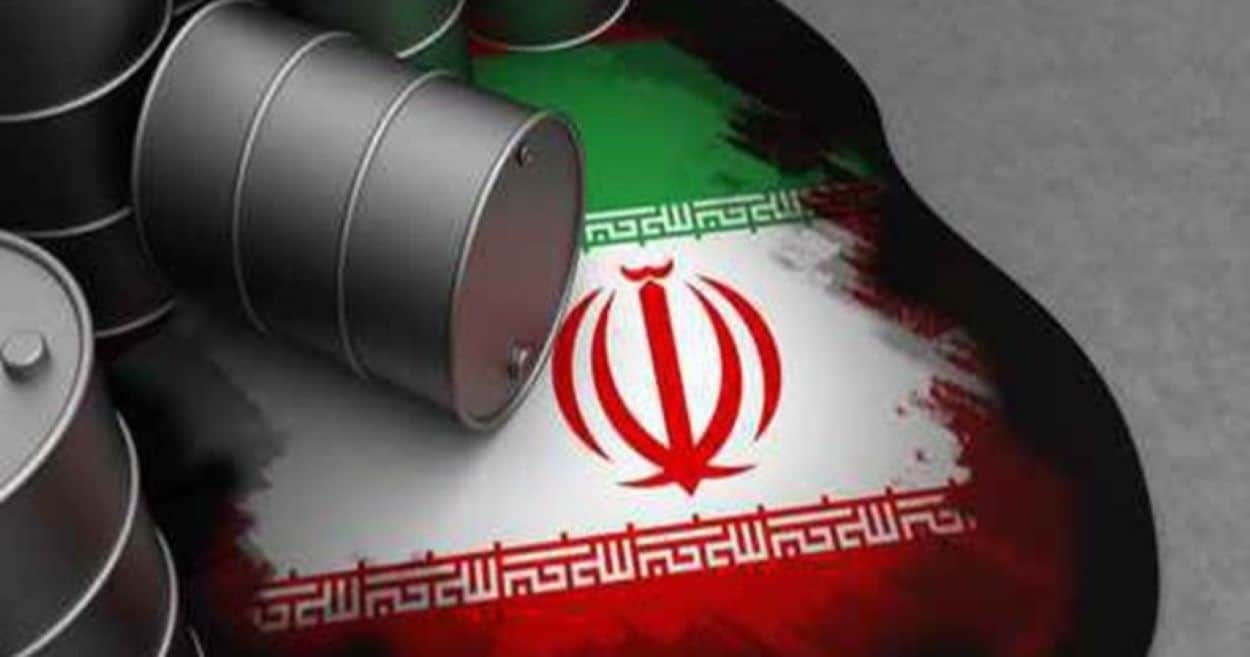

Global oil prices surge after Iran strikes, as markets react to escalating tensions in the Middle East. Crude benchmarks jumped sharply in early Asian trading following US and Israeli military strikes on Iran.
Brent crude futures rose 13% to trade above $82 per barrel, up from Friday’s close of $72. Meanwhile, US benchmark West Texas Intermediate (WTI) climbed nearly 10%, crossing $70 per barrel.
The international benchmark had already been rising last week ahead of the strikes that began on Saturday. However, fresh geopolitical risks intensified concerns about supply disruptions.
Oil Prices Surge After Iran Strikes
The latest spike is closely linked to instability around the Strait of Hormuz. Around 20% of global oil passes through this critical waterway.
Reports indicate that the route is mostly, but not entirely, closed. Some Chinese and Iranian vessels have reportedly continued to transit the strait. However, major shipping companies have confirmed they are suspending fleet movements along the route.
Energy analysts warn that any prolonged disruption could significantly affect global supply. Jorge Leon of Rystad Energy noted that a full closure could result in a loss of 8 to 10 million barrels per day of crude supply.
Amena Bakr of Kpler suggested that oil prices could reach $90 if tensions persist. She also cautioned that insurance costs for shipping through the region could become prohibitive.
Higher crude prices often ripple through the global economy. Gas prices are also expected to climb, particularly as Qatar remains a major exporter of liquefied natural gas.
The last time oil prices rose above $100 was at the start of the war in Ukraine. That surge contributed to sustained inflation across multiple economies.
Economist Eric Dor from the IESEG School of Management warned that prolonged price increases could harm growth. Rising petrol and energy costs, combined with higher shipping expenses, may slow economic momentum.
Read: Khamenei Death Confirmed by State Media After US-Israel Strikes
“If it’s a matter of three days, it’s not serious. But if it’s over a longer period, then it will have an additional recessionary effect,” Dor told AFP.
Analysts also suggest that elevated energy prices may carry political implications, particularly in the United States, where economic stability remains a key issue ahead of mid-term elections.
While oil-importing nations maintain strategic reserves, experts caution that these stocks may not fully offset a sustained supply gap if disruptions continue.
For now, markets remain highly sensitive to developments in the region. Traders are closely monitoring shipping activity, military movements and diplomatic signals that could determine the next direction of oil prices.