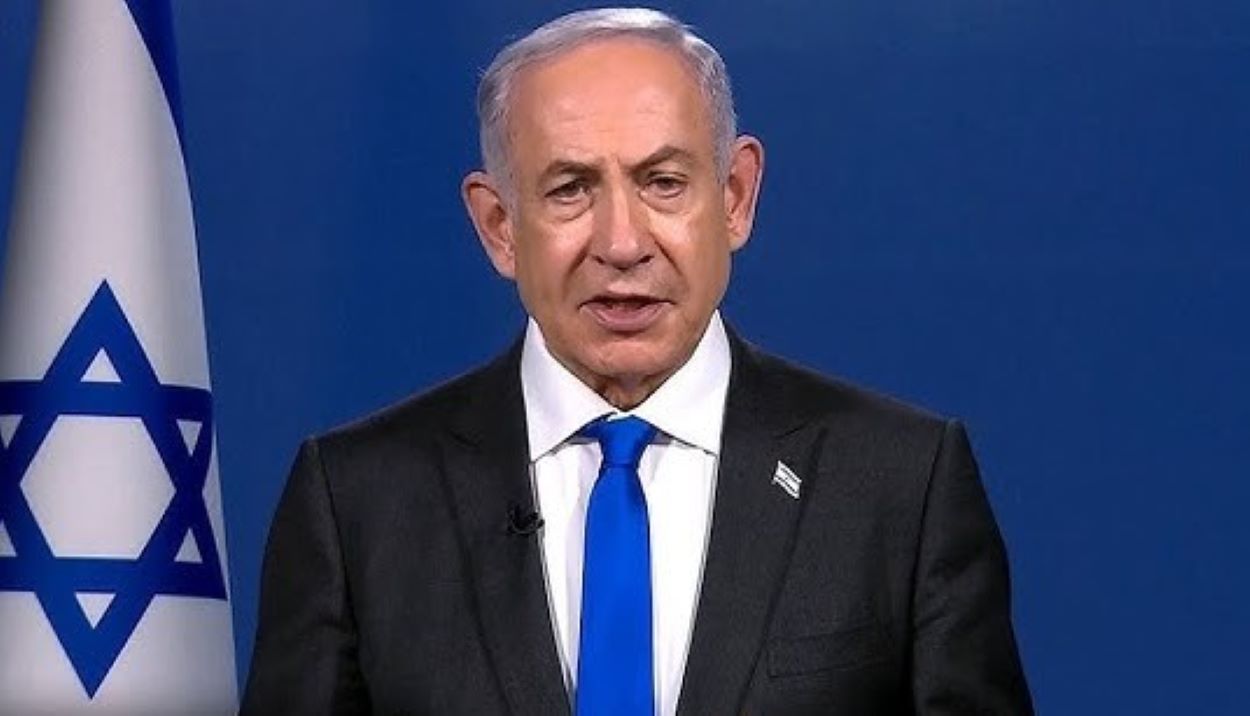

The Netanyahu political career at stake from the Iran war is emerging as a key factor ahead of Israel’s upcoming elections, analysts say.
With elections due by October 27, the conflict with Iran may offer Prime Minister Benjamin Netanyahu an opportunity to rebuild support after criticism linked to the October 7, 2023, Gaza attack.
A day after Iran’s supreme leader Ayatollah Ali Khamenei was killed in US-Israeli strikes, Netanyahu said Israel had achieved what he had long sought: to strike what he called a terrorist regime decisively.
The Gaza war had eroded his popularity, with critics accusing him of failing to prevent the deadliest attack in Israel’s history. Since then, opinion polls suggest his Likud party would emerge ahead if elections were held today, though without a clear majority.
Political analyst Emmanuel Navon said Netanyahu could call early elections rather than wait until October. “If Netanyahu was at rock bottom after the Gaza attack, he has since gradually turned the tide,” Navon said.
Netanyahu‘s ‘Total victory’ Narrative
Independent geopolitical analyst Michael Horowitz said the offensive reinforces Netanyahu’s “total victory” message.
According to Horowitz, Netanyahu aims to show that the slogan represents a national agenda rather than campaign rhetoric.
However, journalist Raviv Druker argued that claims of total victory may not reflect reality, noting that Hamas still operates in Gaza and Iran remains a regional power despite recent strikes.
Another analysis suggested the timing of hostilities could also affect domestic politics. Under a state of emergency, key deadlines, including a budget vote, could be delayed, potentially shifting the electoral landscape.
Read: UAE Will Not Allow Attacks on Iran Using its Airspace or Territory
Experts caution that any political gains depend on how the war unfolds. Public tolerance for a long, conflict-ridden period marked by heavy casualties and economic strain remains limited.
Recent Iranian missile attacks caused casualties in Israel, while retaliatory strikes have also resulted in deaths.
Horowitz noted that military achievements are often credited to the army and civilian resilience rather than directly to political leadership. “The army’s popularity is rising, not necessarily Netanyahu’s,” he said.
As elections approach, the trajectory of the Iran conflict could significantly shape the political future of Israel’s longest-serving prime minister.