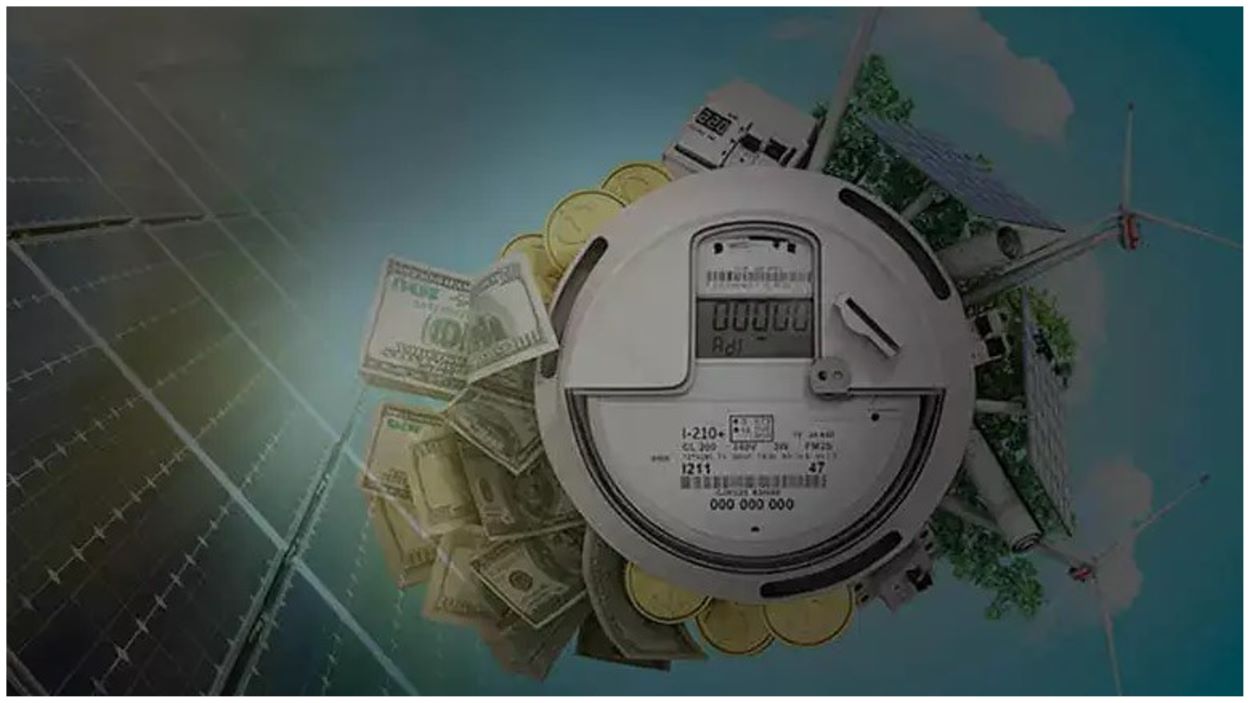

Net metering is playing an increasingly important role in Pakistan’s power sector as solar energy adoption accelerates nationwide.
In November 2025, net metering’s share of total electricity generation increased by 127 basis points year-on-year, indicating a clear shift among consumers toward rooftop solar and reduced dependence on the national grid.
According to Arif Habib Limited, Pakistan’s overall electricity production remained largely flat year-on-year in November, rising by just 0.2%. The data exclude K-Electric consumers, yet analysts argue that the growing contribution from net metering points indicates a structural change rather than a short-term fluctuation.
o Net metering's share in total generation rose by 127 bps YoY in Nov’25, reflecting increased solar adoption and lower grid dependence.
o Overall power generation was stable at 0.2% YoY in Nov’25. NEPRA expects power demand to grow by 1.0% YoY in CY26.
o On MoM basis, net… pic.twitter.com/UDp4ybtqLS
— Arif Habib Limited (@ArifHabibLtd) January 8, 2026On a month-on-month basis, solar net metering units declined by 10.5% compared to October 2025. Experts attribute this drop to seasonal factors, including shorter daylight hours and temporary demand softness in some regions. Despite the dip, analysts stress that the broader trend still favours solar energy.
Rising electricity tariffs, concerns over load shedding, and government incentives for renewable energy continue to push households and businesses toward solar systems. Through net metering, consumers meet their own power needs and earn credits by supplying surplus electricity back to the grid.
Looking ahead, the National Electric Power Regulatory Authority projects electricity demand to grow by 1.0% year-on-year in calendar year 2026. Energy experts believe that sustained growth in solar installations could further expand net metering’s share, easing pressure on the national grid and supporting more stable energy costs over time.