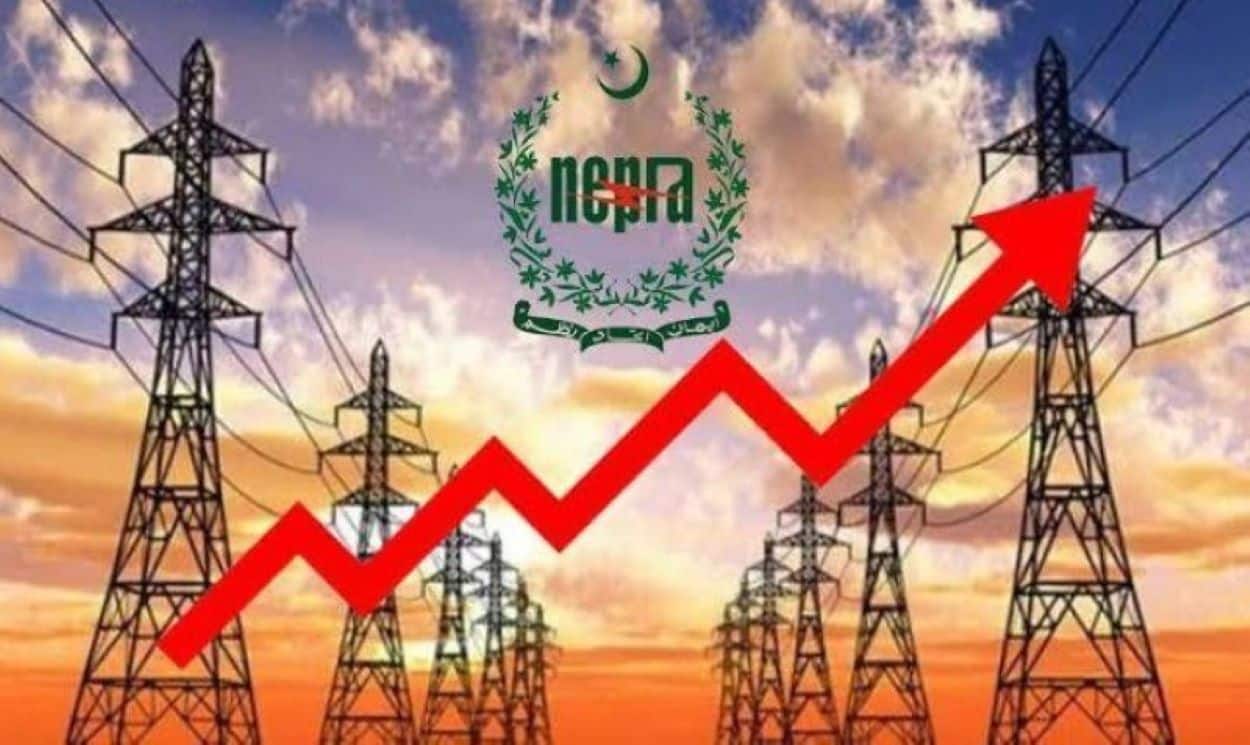

The NEPRA electricity price increase will add further pressure on consumers, following the regulator’s decision to raise power tariffs by Rs1.42 per unit under the monthly fuel price adjustment for February 2026.
The additional amount will appear on electricity bills in April 2026. The increase will also apply to K-Electric consumers under the government’s policy guidelines.
NEPRA has issued a formal notification for the latest hike. The regulator had earlier reserved its decision after holding a hearing on the February fuel adjustment. This follows another increase of Rs1.63 per unit under the January adjustment, adding to the cost burden already facing households. However, the new hike will not apply to Lifeline consumers or electric vehicle charging stations.
Alongside the monthly fuel adjustment, electricity consumers across Pakistan are also facing a major shift in how fixed charges are calculated.
NEPRA approved a new tariff from January 2026, under which fixed charges now depend on the sanctioned load rather than monthly electricity consumption. The federal government had requested this change.
Read: NEPRA Fixed Charges Push Up Electricity Bills in Pakistan
Previously, fixed charges applied only to consumers using more than 300 units per month. Under that system, the charges ranged from Rs200 to Rs1,000. Under the new tariff, all domestic consumers except lifeline users now face fixed charges, even if they use very little electricity.
NEPRA has set fixed charges for different domestic slabs, ranging from Rs200 to Rs675 per kilowatt per month, for both protected and non-protected consumers.
That means overall bills may rise sharply for households with higher sanctioned loads. For example, a consumer with a 5kW load could see fixed charges climb from Rs1,000 to as much as Rs3,375 per month.
The shift from usage-based fixed charges to load-based billing changes how consumers experience electricity costs. A larger share of the monthly bill now depends on sanctioned load rather than actual power consumption.
Experts cited that this change is forcing even low-consumption users to pay more, because the bill structure no longer depends mainly on how much electricity they actually use.