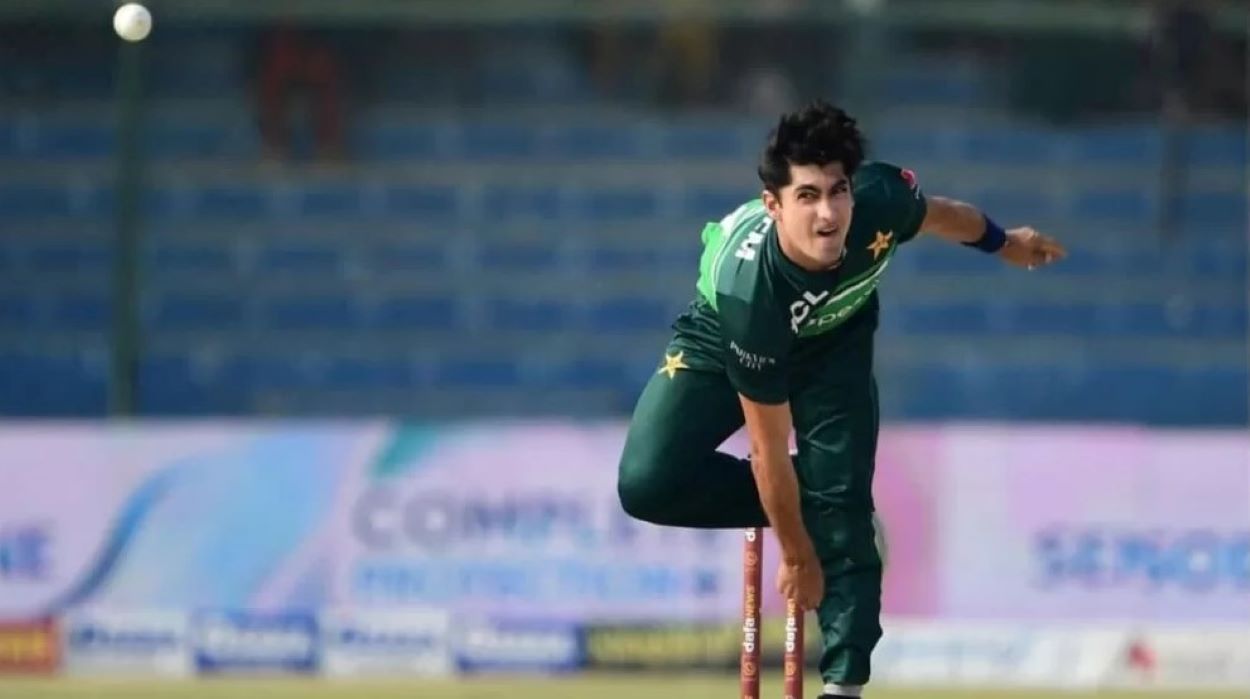

The Pakistan Cricket Board (PCB) has fined fast bowler Naseem Shah Rs20 million for breaching his central contract and the board’s social media guidelines.
The PCB issued a show-cause notice to Naseem on 27 March 2026. It listed several alleged violations and asked him to explain his position.
After receiving his reply, a three-member disciplinary committee held a personal hearing on 30 March 2026. The panel reviewed his submissions and questioned him about the incident. The committee concluded that Naseem had broken multiple clauses of his central contract. Members noted his unconditional apology but still decided to impose a Rs20 million fine.
Naseem informed the committee that he had already ended his agreement with his social media adviser. The PCB has now blacklisted that adviser from working with any player under its jurisdiction.
In its statement, the board said it will continue to enforce professional standards and contractual obligations. Officials also stressed their commitment to protecting the integrity of the game.
The case links back to the opening ceremony of Pakistan Super League (PSL) 11 at Gaddafi Stadium in Lahore. Punjab Chief Minister Maryam Nawaz attended the event as the guest of honour.
During the ceremony, PCB Chairman Mohsin Naqvi welcomed the chief minister and introduced her to the franchise owners. She extended best wishes to all competing teams. Officials then introduced her to the players from both sides before the curtain-raiser.
Soon after the ceremony, a post from Naseem’s X (formerly Twitter) account drew major attention. He had quoted and retweeted a PCB media post that showed Chairman Naqvi greeting the chief minister and added a comment.
The remark spread quickly across social media. Fans and analysts shared it widely and argued over its tone and intent. Naseem later addressed the issue on the same platform. He told followers that he had not posted the comment himself and said his account had been hacked.
“This account of Naseem was recently hacked but has now been recovered successfully,” he wrote. He added that a security breach, not a personal statement, had caused the controversy.