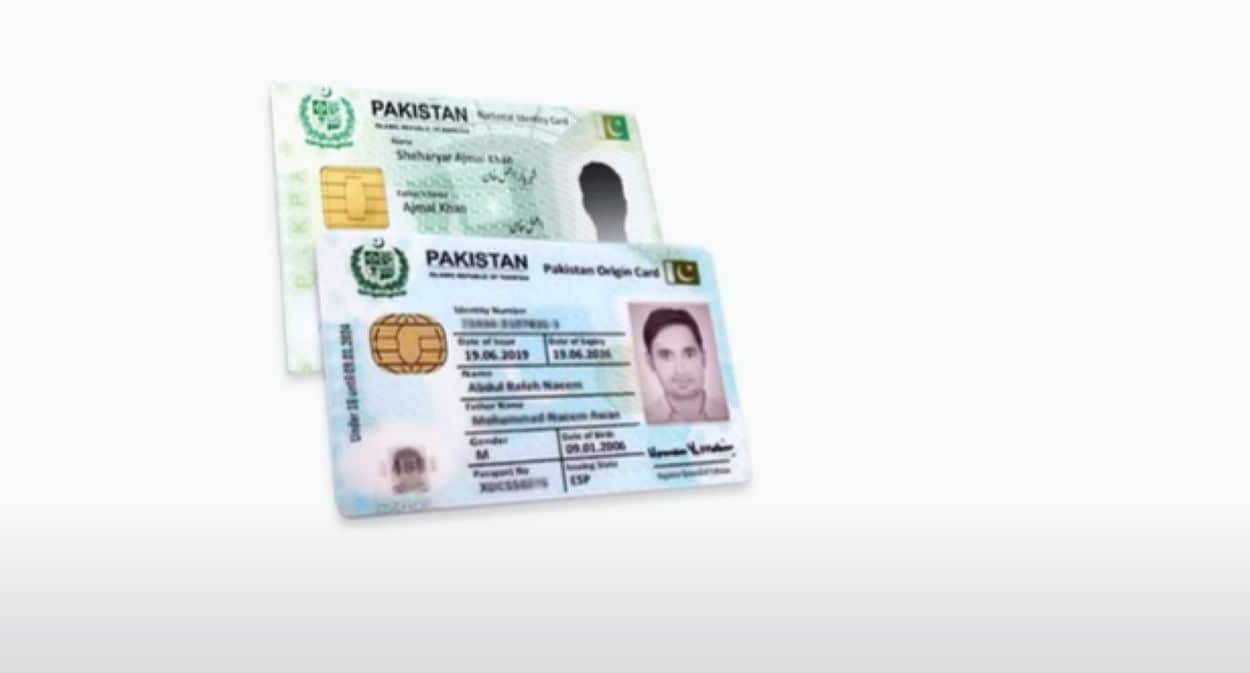

The National Database and Registration Authority (NADRA) has clarified its official procedure. This guidance helps citizens who lack living blood relatives obtain a Computerised National Identity Card (CNIC). Standard CNIC issuance requires biometric verification from a close family member. Eligible verifiers include a father, mother, real brother, or sister with a valid CNIC or NICOP.
This verification links an individual to the national family tree. It is mandatory for both fresh applications and card renewals. NADRA has now detailed an alternative process for exceptional cases. It applies to applicants whose immediate blood relatives are deceased or completely unavailable.
The authority issued this clarification via a social media response. It addressed a direct query about applicants with no surviving parents or siblings. NADRA provided the following official step-by-step guidelines for such individuals.
First, the applicant must submit a formal written application. Second, they need a computerised birth certificate. This document must be issued by their local Union Council, Municipal Committee, or Cantonment Board. A valid citizenship or naturalisation certificate also suffices.
Third, an affidavit (NADRA’s Form ‘B’) is mandatory. This form requires biometric verification from a witness. The witness must be a Pakistani citizen holding a valid CNIC or NICOP. Fourth, the entire application form must undergo standard official verification.
Applicants should also provide any additional supporting documents. NADRA notes these special cases may require extra verification steps. Consequently, the overall processing time can be longer than standard applications.
NADRA also established a clear witness priority system. The first preference is an extended blood relative. This includes paternal or maternal uncles, aunts, cousins, nieces, or nephews. The second preference applies if no extended relatives are available. In this case, any other Pakistani citizen with a valid CNIC or NICOP can act as a witness.