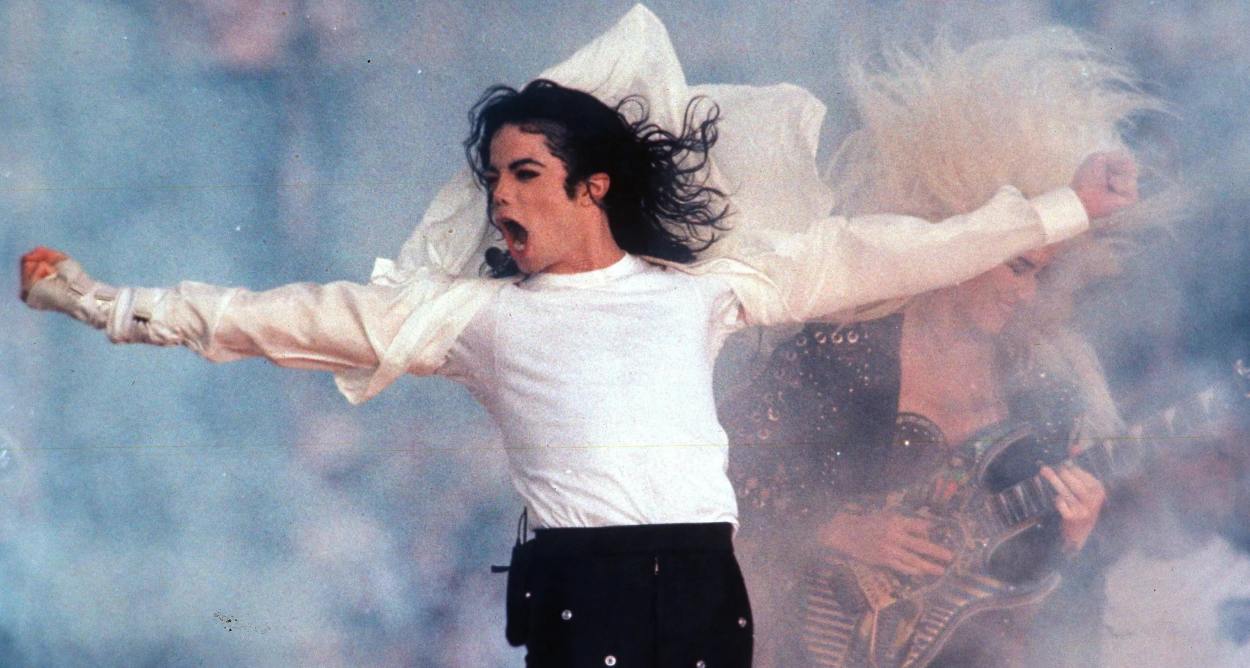

A new BBC documentary is revisiting Michael Jackson’s Jehovah’s Witness faith, highlighting a lesser-known part of the singer’s life that unfolded far from the stadium crowds and record-breaking success. Recent coverage of Michael Jackson: An American Tragedy says the series explores how Jackson quietly practised his faith even while he stood at the peak of global fame.
According to reports on the documentary, Jackson sometimes disguised himself and introduced himself as “Joe,” his middle name, while taking part in door-to-door ministry during the 1980s. Those accounts point to a striking contrast between his public image as a pop icon and his private search for routine, faith and normality.
Michael Jackson’s Jehovah’s Witness faith
Recent reporting says the documentary draws on testimony from people who knew Jackson during those years, including friend Christian Volk. Volk recalled that Jackson would introduce himself simply as “Joe” while going door to door, even though many people still suspected they were speaking to Michael Jackson.
The series presents this period as one in which Jackson sought a sense of safety away from fame. It suggests that within the religious community, he found structure and a degree of human contact that was not entirely defined by celebrity.
Jackson’s connection to the Jehovah’s Witnesses began in childhood through his mother, Katherine Jackson. However, as his career expanded, tensions reportedly grew between his artistic expression and the organisation’s teachings.
Coverage tied to the documentary says creative choices associated with albums such as Thriller and later projects increasingly clashed with those beliefs. By 1987, as Jackson prepared to release Bad, he had stepped away from the organisation, closing that chapter of his life.
Michael Jackson: An American Tragedy is a three-part BBC documentary that examines Jackson’s rise, controversies and legacy through interviews, archive material and commentary from people close to him. Reviews say the series does not claim to present new evidence, but instead aims to give a broader portrait of a figure whose life remains deeply contested.
That wider framing helps explain why Jackson’s religious life has drawn fresh attention. His years with the Jehovah’s Witnesses add another layer to the story of a performer who, despite extraordinary fame, kept searching for grounding in private life.