

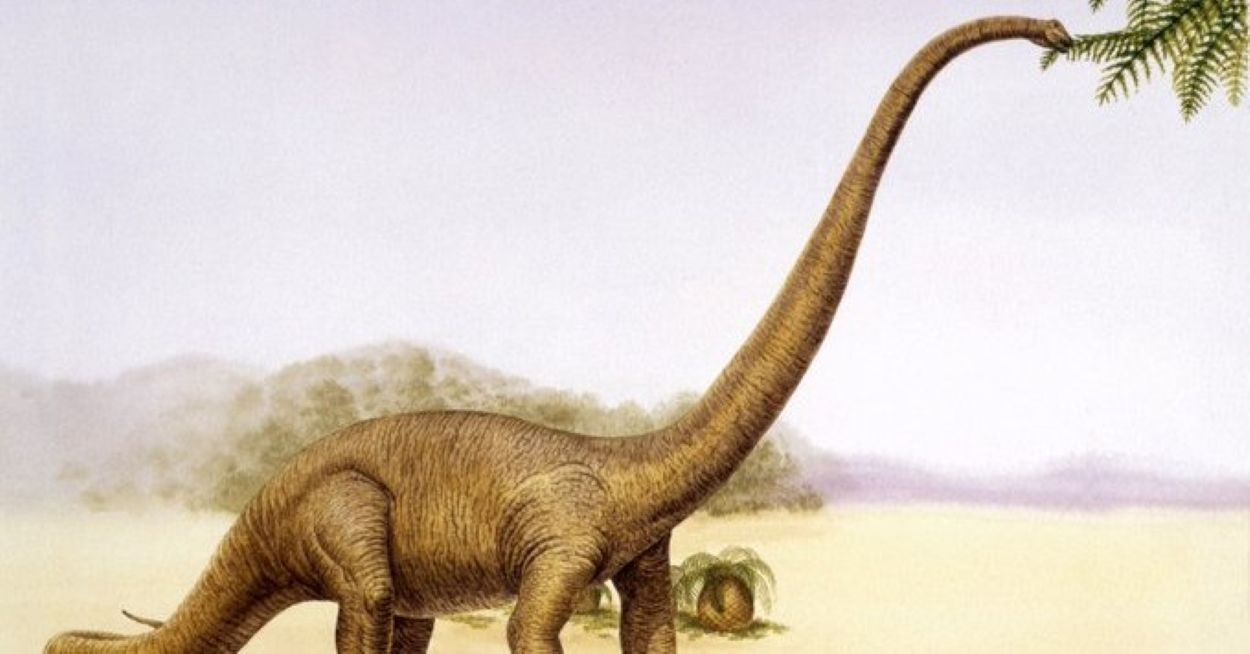

Palaeontologists have identified a new species of sauropod dinosaur from a partial skeleton discovered near Chongqing in southwest China. Named Mamenchisaurus sanjiangensis, the find offers fresh insights into the evolution and diversity of sauropods in East Asia during the Jurassic period.
The dinosaur lived approximately 160 million years ago, during the Early Oxfordian age of the Late Jurassic. Researchers recovered its bones from purplish-red silty mudstones within the middle section of the Upper Shaximiao Formation, a well-known fossil-bearing stratum in the region.
Although known only from a single partial skeleton, the research team classifies M. sanjiangensis as a “diverged mamenchisaurid,” closely related to other species in the genus Mamenchisaurus. Lead author Hui Dai and colleagues at the Chongqing Institute of Palaeontology note that this discovery underscores a peak in sauropod diversity during the Late Jurassic.
China on Thursday reported a magnitude 6.0 earthquake in Xinjiang, a region in the country's northwest that shares a border with Kyrgyzstan, the China Earthquake Networks Center (CENC) said. https://t.co/ASqruixXbF https://t.co/ASqruixXbF
— Reuters Science News (@ReutersScience) December 4, 2025This period saw many non-neosauropodan eusauropod lineages, like the mamenchisaurids, thriving globally alongside emerging neosauropods. The dominance of mamenchisaurids in Asia’s Late Jurassic fossil record differs markedly from that of sauropod faunas in contemporaneous formations across Europe, North America, and South America.
This distinct fossil record suggests that Asia, particularly what is now southwestern China, served as a hotspot for sauropod diversity, especially near the transition from the middle to late Jurassic. Beyond enriching the taxonomy of early-diverging sauropods, M. sanjiangensis provides critical data for reconstructing the evolutionary history and paleobiogeography of Jurassic-era eusauropods in East Asia.
The authors acknowledge that many gaps remain in the fossil record. They emphasise that further reexamination of existing specimens is essential to understand better the early branching events that shaped sauropod evolution across ancient continents. The findings were published on November 25, 2025, in the peer-reviewed journal Scientific Reports.



