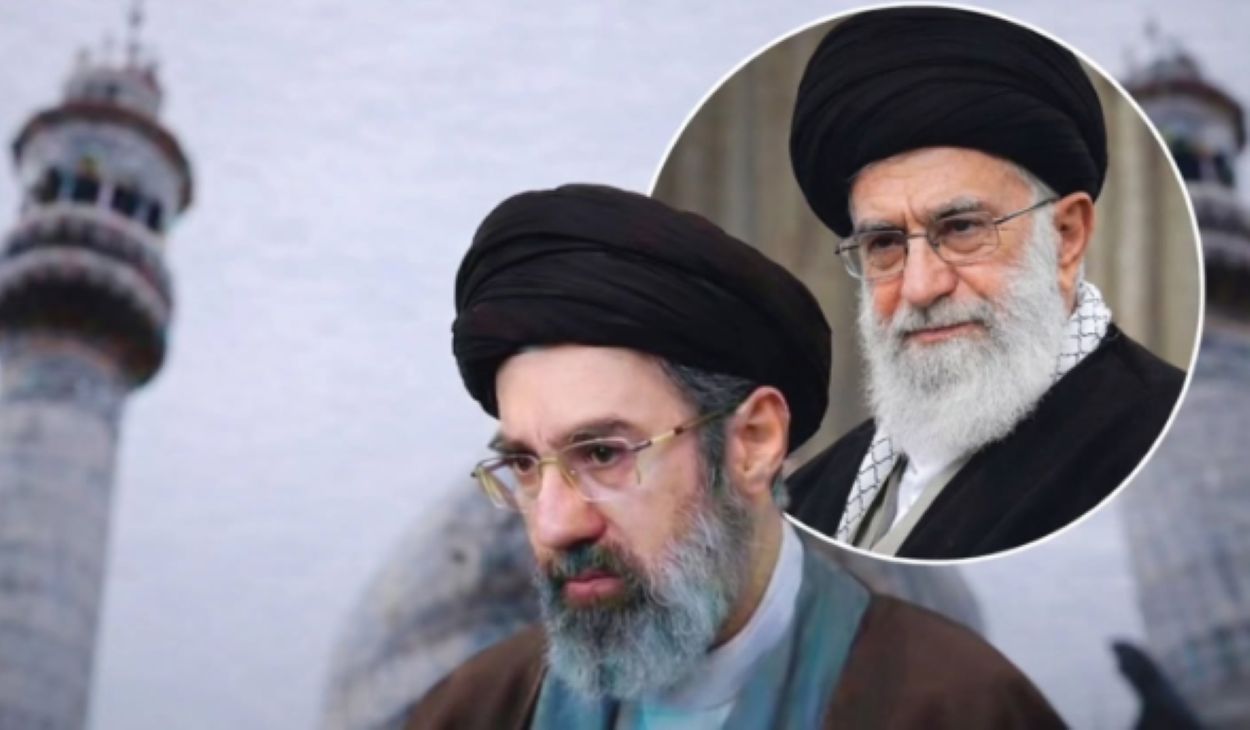

Iran’s new supreme leader, Mojtaba Khamenei, says Iran does not want war, but the country will not give up what he described as its legitimate rights under any circumstances. In a written message read on state television, Iran’s new supreme leader, Mojtaba Khamenei, said Tehran did not seek conflict with the United States and Israel, even as he vowed that those who attacked Iran would not go unpunished.
The remarks came after Iran agreed this week to a fragile two-week ceasefire with the United States. However, the message signalled that tensions remain high despite the pause in fighting. In his latest statement, Khamenei said Iran would continue to protect its national rights. He also framed the issue within the broader “resistance front,” apparently referring to regional allies.
At the same time, he warned that Iran would not allow what he called “criminal aggressors” to avoid punishment. That language underscored the hard line still present in Tehran’s messaging, even after the ceasefire announcement.
Khamenei also addressed Iran’s southern neighbours, urging them to watch regional developments closely and choose what he called the “right side.” In addition, he said the management of the Strait of Hormuz would soon enter a new phase.
That part of the message is likely to draw attention because the strait is one of the region’s most sensitive waterways. Any change in how Iran approaches it could carry wider geopolitical significance.
Despite the ceasefire, Khamenei told Iranians not to assume that public mobilisation was no longer needed. He said voices in public squares could still influence the outcome of negotiations. The statement suggested that Iran’s leadership wants to maintain public engagement while diplomatic efforts remain uncertain. It also reflected the fragile nature of the current pause in hostilities.
Read: US-Iran Talks in Islamabad: Who Is Involved and Why It Matters
According to the source text, Mojtaba Khamenei has not appeared in public since his appointment as supreme leader after the death of his father, Ayatollah Ali Khamenei, on February 28. State television said he is recovering from injuries, though it has not specified when photos of him were taken.
So far, his messages have been delivered in writing and read on television. That continued absence is likely to remain part of the public discussion around Iran’s leadership.