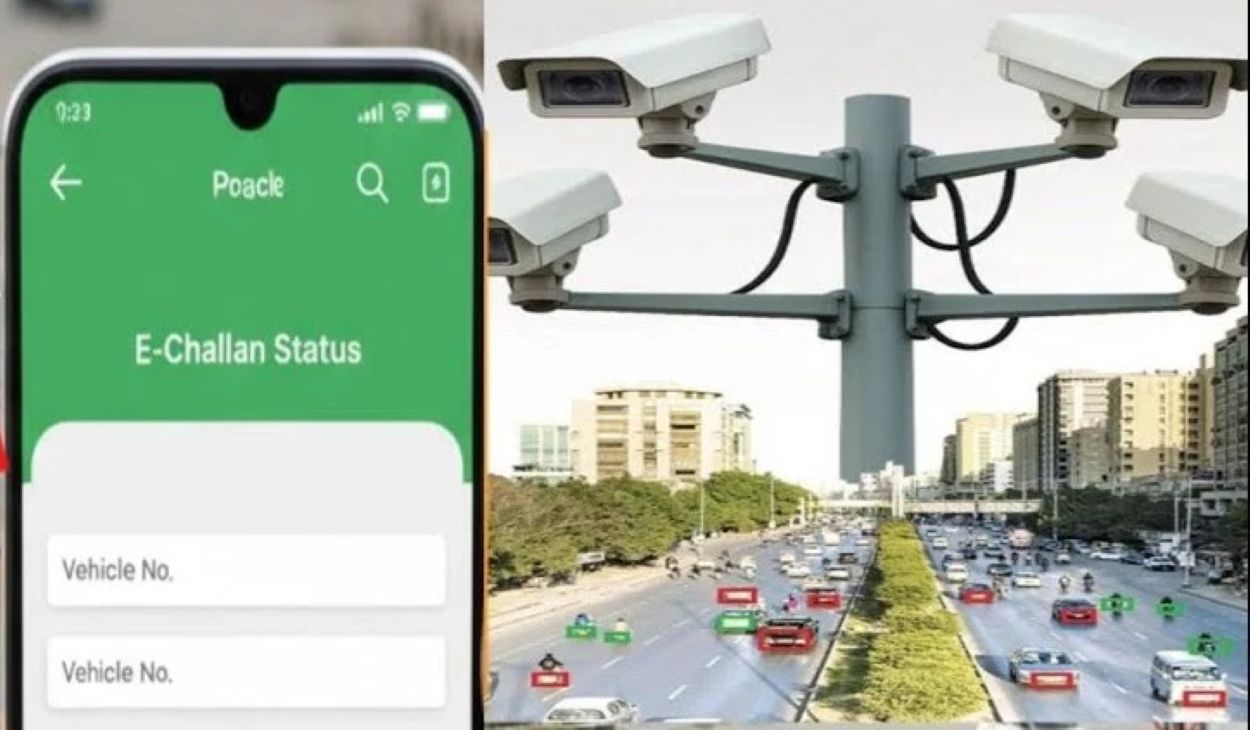

Following the launch of the AI-based e-challan system in October 2025, authorities are preparing to further modernise traffic enforcement. They will enable on-duty traffic police officers to issue fines directly from their mobile phones.
Under the new plan, authorised officers will install a dedicated mobile application on their personal phones. Using the app, an officer will capture an image of a traffic violation. This image will be automatically transmitted to the e-challan system. Then, a designated e-challan officer will issue the fine after verification. The identity of the reporting traffic officer will be clearly mentioned on the challan.
Officials said the application has already been developed and will soon be rolled out on an experimental basis. Initially, the app will be available only to authorised traffic police officers in Karachi, ensuring controlled use and accountability.
If an officer observes a violation during duty hours, he will document it through the app. The system will digitally forward evidence, reducing on-the-spot disputes and strengthening enforcement coverage across the city.
TRACS and automated enforcement
The initiative builds on the Traffic Regulation and Citation System (TRACS), which was launched on October 27, 2025. The system replaced manual ticketing with an automated, AI-driven mechanism. It relies on CCTV cameras to detect violations, including speeding, running red lights, and non-compliance with helmet requirements.
TRACS aims to reduce human discretion, minimise confrontation, and limit potential bias, while improving transparency and consistency in traffic enforcement. Moreover, citizens can seek assistance at TRACS Sahulat centres, located at major traffic offices and police stations, for fine payments, clarifications, and dispute resolution.
The system is integrated with several government databases, including excise and taxation records, the driving licence system, and NADRA e-Sahulat services. Modern payment gateways allow motorists to view and pay fines securely online or via mobile devices. Similarly, a dedicated TRACS app also enables real-time monitoring and settlement of challans.
In the initial phase, 200 cameras have been installed across Karachi. Plans are to expand the network to 12,000 cameras citywide and later extend it to other districts in Sindh. Integration with the Citizens-Police Liaison Committee provides an added layer of oversight and complaint redressal.
Public debate and legal defence
Since its introduction, the e-challan system has triggered mixed reactions. Critics argue that Karachi lacks adequate road infrastructure and traffic management facilities to support strict digital enforcement. Others have welcomed the initiative as a long-overdue step to address chronic traffic violations, congestion, and road safety concerns.
Last month, the Sindh government signalled it may reduce fines for minor offences and common motorcyclist errors. However, the provincial administration has defended the e-challan regime before the Sindh High Court. They argued that the legislation prioritises public safety and the protection of road users, passengers, and pedestrians.
In its submissions, the Sindh Mass Transit Department stated that penalties were increased to curb rising violations, accidents, and traffic congestion. It added that e-challans were introduced first on main roads with proper lanes, functional signals, service roads, and adequate traffic police deployment.
Officials also noted that the system was rolled out after stakeholder consultations and a comprehensive awareness campaign across print, electronic, and social media.