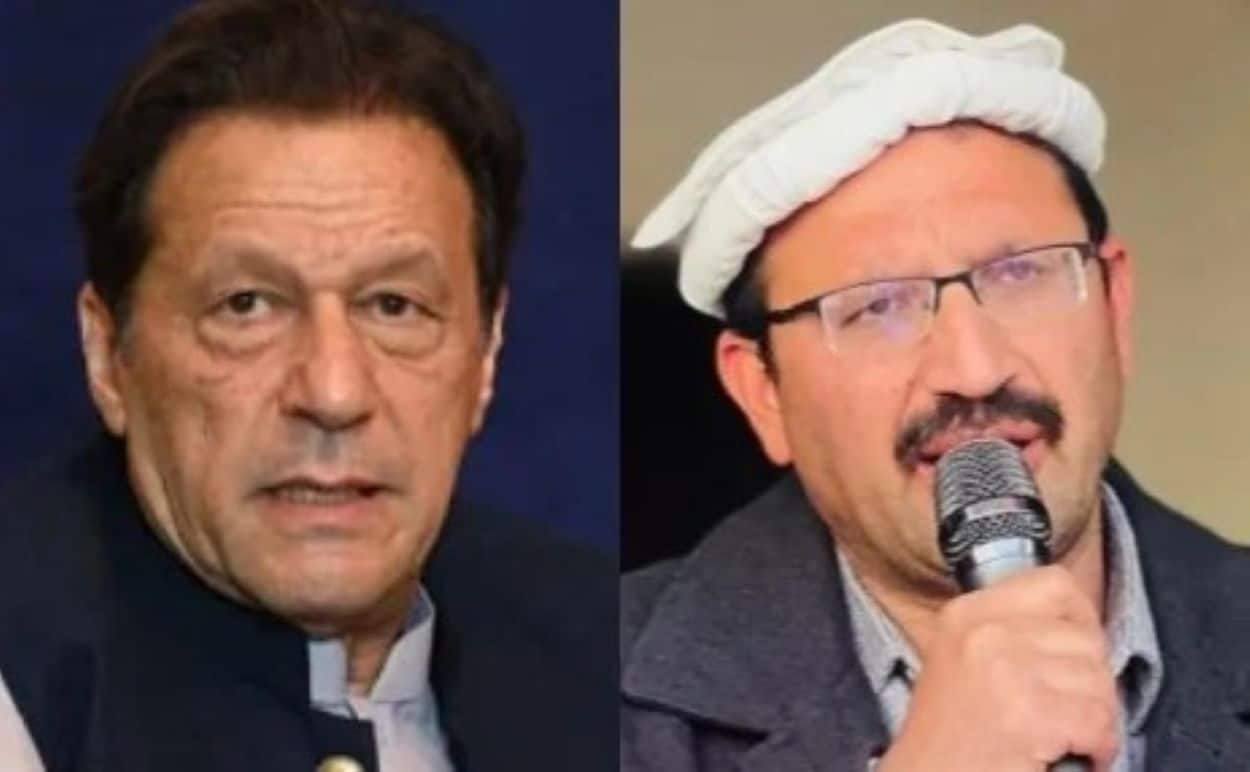

The Pakistan Tehreek-e-Insaf (PTI) Junaid Akar’s audio leak controversy has triggered fresh tensions within the PTI parliamentary group, following the emergence of an alleged recording of the lawmaker. The audio reveals his frustration over restrictions placed on his participation in National Assembly debates.
In the leaked recording, Junaid Akbar criticises the party leadership for limiting his opportunities to speak on the floor of the house. He says he feels treated like a “courtier” rather than an elected representative.
Akbar questions the authority of the Chief Whip, arguing that no single individual should decide which lawmakers get to speak. He claims only a small group of members regularly dominate parliamentary discussions.
PTI Audio Leak Controversy
In the recording, Akbar says he has reached his limit and no longer considers himself part of the parliamentary party. He warns that if the situation continues, he may declare himself an independent member and request the Speaker to formally recognise his status.
He also criticises the parliamentary committee system, saying it suppresses broader debate. According to Akbar, participation is routinely restricted to a handful of lawmakers.
The lawmaker points to routine sessions, including budget debates and discussions during the previous Ramadan, as examples where the same voices dominated proceedings.
بریکینگ نیوز 🚨
جنید اکبر کی آڈیو لیک, سنیں جنید اکبر کو!!
ہمیں اسٹبلشمنٹ اور محسن نقوی کے خلاف بات کرنے سے روکا جاتا ہے, یہ مذاق بنایا ہؤا ہے!
اب جو ٹچے اکاؤنٹس سہیل آفریدی اور جنید اکبر پر تنقید کرتے ہیں, ان ٹچو کو سمجھ جانا چاہیے, پارٹی قیادت اِن بہادروں کو بات نہیں کرنے دیتا pic.twitter.com/XjIzPjH0ZM
— ZEShan ⚫ (@zeshmohmand) February 10, 2026Akbar says his silence in the assembly has been misinterpreted as agreement or complacency. He clarifies that his restraint reflects limited opportunities rather than consent.
In the leaked audio, he also calls out specific party members for monopolising debates. He argues that such practices undermine collective representation and fuel internal resentment.
PTI insiders say the party leadership is reviewing the situation. Sources suggest a meeting may be convened to address the grievances raised in the audio recording.
Another leaked audio adds pressure on PTI leadership
The controversy follows another alleged audio leak involving PTI Secretary Information Sheikh Waqas Akram. The recording surfaced on January 30, 2026, adding to concerns about internal discord.
In the leaked clip, Sheikh Waqas criticises Khyber Pakhtunkhwa Chief Minister Sohail Afridi over the absence of PTI lawmakers from a sit-in organised to meet the jailed PTI founder, Imran Khan.
He accuses the chief minister of poor coordination, saying lawmakers should have been informed earlier if the sit-in was necessary.
Coordination failures and logistical concerns
Sheikh Waqas says last-minute instructions made it difficult for lawmakers to attend the protest. He points out that many legislators live in remote constituencies and lack access to helicopters or rapid transport.
He repeatedly blames CM Sohail Afridi for what he describes as avoidable chaos. According to him, better planning could have ensured the presence of all 90 PTI lawmakers.
The comments suggest deeper organisational challenges within the party, particularly around coordination and communication.
PTI has not issued an official response to either audio leak so far. However, party sources say senior leaders are aware of the situation and may take steps to prevent further escalation.
Political observers say the repeated emergence of leaked recordings reflects internal strain within the party. They warn that unresolved grievances could weaken PTI’s parliamentary cohesion.
For now, the PTI audio leak controversy continues to fuel debate about leadership style, internal democracy, and discipline within the party ranks.