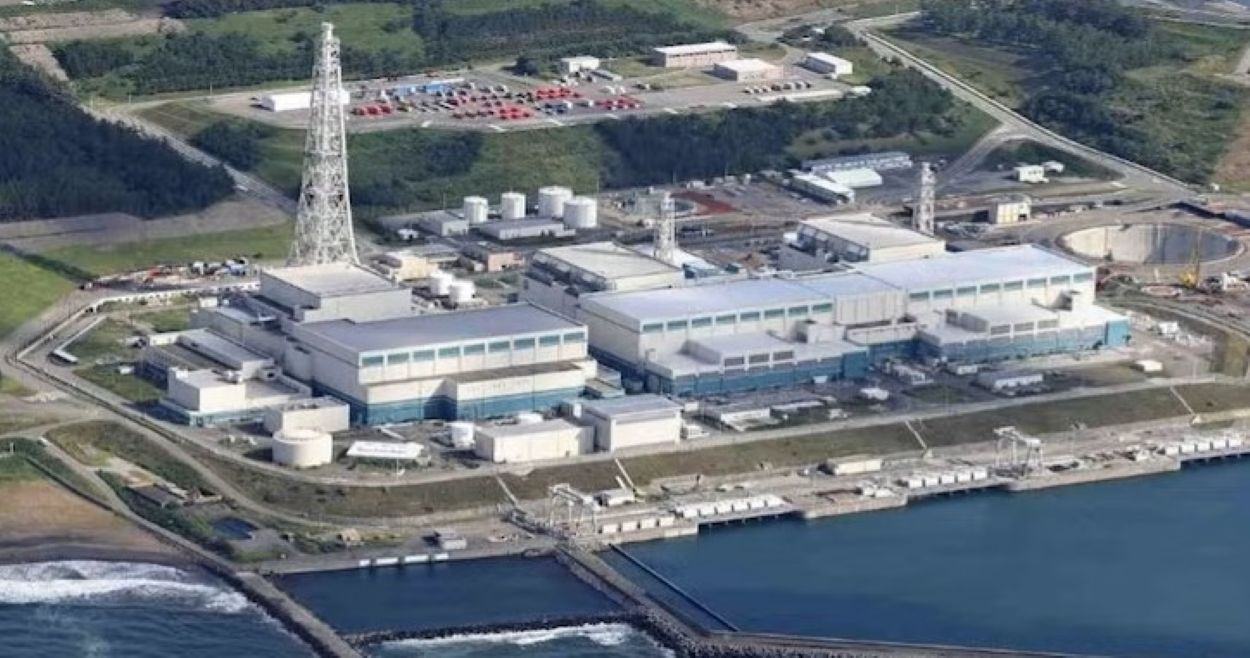

Japan has cleared the final major obstacle to restarting the world’s largest nuclear power facility after securing formal local consent, marking a significant shift in the country’s energy policy.
The Kashiwazaki-Kariwa Nuclear Power Plant, which shut down in 2012 following the Fukushima disaster at another plant run by the same operator, is now set for a phased return to service. On Tuesday, Niigata Governor Hideyo Hanazumi granted official approval to bring two reactors back online.
Tokyo Electric Power Co plans to restart the first unit of its Kashiwazaki-Kariwa nuclear power plant, the world’s biggest, on January 20, TEPCO President Tomiaki Kobayakawa told reporters on Wednesday.https://t.co/BEsWbSlbqA
— Arab News Japan (@ArabNewsjp) December 24, 2025The Niigata prefectural government endorsed the restart of reactors No. 6 and No. 7 after receiving assurances from Tokyo on emergency preparedness and resident safety. One reactor is expected to resume operations as early as January, pending final inspections by the Nuclear Regulation Authority, while the second may take several more years to come online.
Japan initially planned to phase out nuclear power in the aftermath of the 2011 Fukushima disaster. However, rising global fuel prices, energy supply concerns, geopolitical uncertainty, and climate targets have prompted a policy reversal.
According to nuclear authorities, Japan currently has 57 commercial reactors. Of these, 13 are operating, 20 remain offline, and 24 are undergoing decommissioning. At Kashiwazaki-Kariwa, seven reactors exist in total, with units 6 and 7 having cleared safety examinations as far back as 2017. Regulators lifted the plant’s operational ban in 2023.
Read: Japan Moves to Restart World’s Largest Nuclear Plant 15 Years After Fukushima
Once fully operational, the Kashiwazaki-Kariwa facility can generate up to 8.212 million kilowatts of electricity. Officials say this output would supply carbon-free power to millions of homes and significantly bolster Japan’s energy security while supporting its emissions reduction goals.