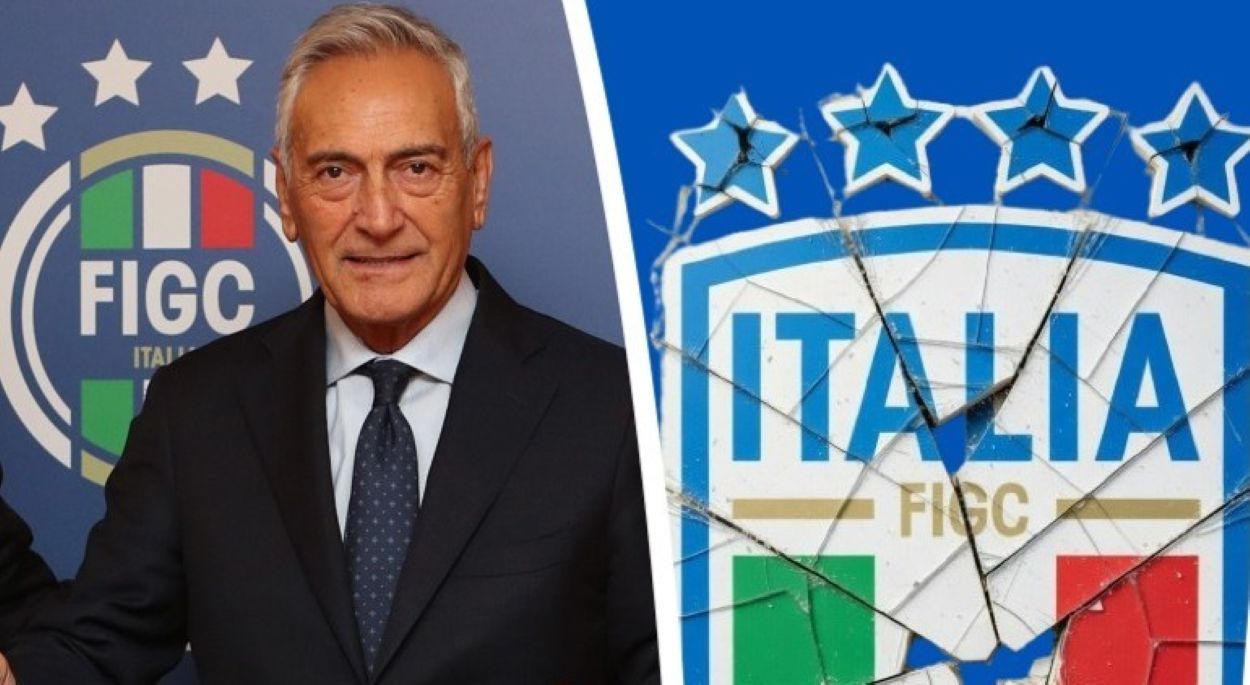

Italy’s football leadership has proposed reforms to address the Italian football crisis, centred on youth development, infrastructure spending and new financial incentives, after the national team failed to qualify for the World Cup for a third straight time.
Gabriele Gravina, who resigned as head of the Italian football federation (FIGC) on April 2, outlined the proposals in a report that described the current downturn as a structural crisis rather than a short-term setback.
Gravina said Italy’s repeated failures reflect long-standing weaknesses across the sport. He called for part of the betting revenue linked to football to fund grassroots programmes, youth academies and major stadium upgrades.
The report also urged faster approval for new or redeveloped arenas, arguing that modern infrastructure remains essential to any lasting revival.
One of the report’s strongest warnings focused on the limited role of domestic players in Serie A. According to the FIGC, foreign players account for about 68 per cent of minutes played in the top flight, one of the highest shares in Europe.
Existe un deseo de regresar a 12 equipos, pero hay que superar aspectos legales y de estatutos antes de esa decisión. 👀
Se eliminará el Torneo de Copa y se cambiará la regla Sub21. 🔥 pic.twitter.com/6pmzwmTaUA
— Tigo Sports Costa Rica (@tigosports_cr) April 9, 2026The situation looks even more severe for younger talent. Under-21 Italian players make up less than 2 per cent of total Serie A playing time, the report said.
To address that trend, the federation proposed financial incentives for clubs that field more young Italian players. It also called for stronger investment in academies to widen the pathway into senior football.
Gravina also proposed scrapping the 2018 ban on betting advertising and sponsorships. Italy introduced that restriction to help curb gambling addiction, but the report argued that the sport now needs a broader financial rethink.
The federation wants to redirect part of gambling-related income into football development, especially at the youth and infrastructure levels.
Italian football finances remain under pressure
Beyond technical concerns, the FIGC said the financial model behind professional football in Italy remains fragile. The report stated that the game loses more than 700 million euros a year and continues to face high debt levels.
It also pointed to a repeated pattern of clubs collapsing or being excluded from competitions, adding more pressure to a system already struggling on the pitch.
The report concluded that isolated reforms or leadership changes will not be enough on their own. Instead, it said Italian football needs coordinated action across the entire system to restore competitiveness.
Gravina’s successor is due to be elected in June. After Italy’s shock defeat to Bosnia, national team manager Gennaro Gattuso and team delegation head Gianluigi Buffon also stepped down, deepening the sense of crisis around the Azzurri.