

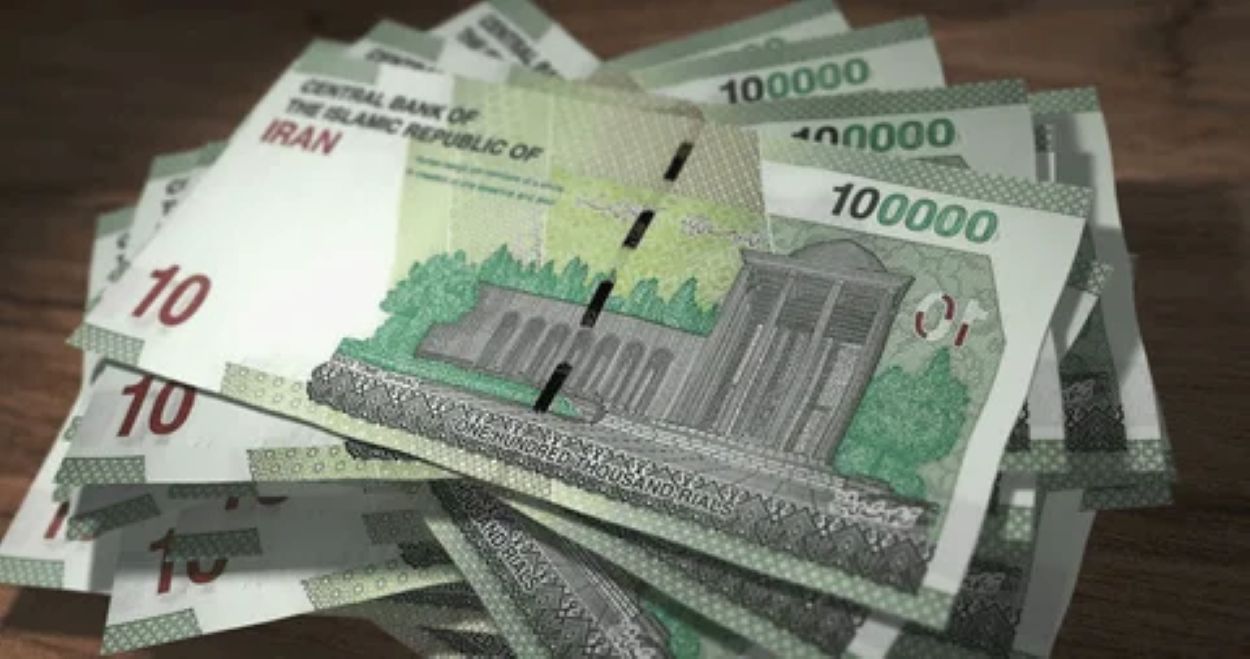

Demand for the Iranian rial in Pakistan has climbed sharply in recent weeks, with the currency gaining nearly fourfold against the local rupee. The sudden rise has triggered a buying rush, as many appear to be betting on further appreciation.
Exchange companies say interest in the Iranian currency has grown quickly. Some buyers are being driven by the hope of making outsized gains if the rial continues to strengthen. Traders say the rising interest rate is partly linked to the ongoing diplomatic engagement between Iran and the United States. That process has shaped market expectations and appears to be influencing how buyers view the Rial’s short-term prospects.
At the same time, cross-border trade is also adding to demand. Transactions involving petroleum products are believed to be contributing to increased buying pressure on the Iranian currency.
This combination of speculation and trade activity has helped push the rial higher against the Pakistani rupee. However, the trend also reflects how quickly market sentiment can change during periods of uncertainty.
Prevailing economic conditions and geopolitical tensions surrounding Iran have added complexity to the rial’s movement. Analysts see the shift as part of a broader pattern in which investors explore alternative currencies when uncertainty grows. That does not necessarily mean the trend is stable. Experts caution that such movements can be highly volatile and may be driven more by short-term speculation than by long-term fundamentals.
The rush into the rial shows how quickly public interest can build around a fast-moving currency story. In Pakistan, the idea of turning a small exchange move into a major gain has added to public excitement.
Still, experts warn that speculative trends can reverse just as quickly. While demand is currently high, future movement will likely depend on diplomacy, trade flows and broader regional conditions.



