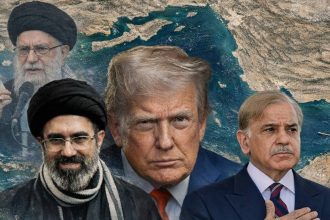
Iran’s control of the Strait of Hormuz has emerged as one of the most sensitive issues in the ongoing talks with the United States in Islamabad. Tehran is using the strategic waterway as a major bargaining chip as negotiations remain deadlocked.
The dispute centres on who controls access to one of the world’s most important energy routes. Iranian media and officials have portrayed the strait as a strategic lever, while Washington has tied de-escalation to the reopening of maritime transit.
Iranian outlet Tasnim described the strait as one of the main issues under serious dispute, blaming stalled negotiations on what it called excessive US demands. CNN also cited a Pakistani source saying control of the waterway remained unresolved.
Iran’s new supreme leader, Mojtaba Khamenei, also referred to plans for the strait in a written message, saying its management would enter a new phase. That statement added to the sense that Tehran sees Hormuz as central to both security and diplomacy.
Since February 28, Iran has effectively controlled the passage. Authorities have reportedly redirected commercial shipping through Iranian territorial waters and imposed transit fees on the limited number of vessels allowed to pass.
Hundreds of oil tankers remain stranded inside the Persian Gulf, while fewer than a dozen ships passed through after the ceasefire announcement. According to the source text, none of those vessels were standard commercial crude oil tankers.
Iran’s Revolutionary Guards warned that they would target any ship attempting to cross the strait without authorisation. The navy later cited wartime conditions and the risk of anti-ship mines, and said it had designated alternative routes.
On the US side, Central Command said forces had started setting conditions to clear sea mines, with two Navy destroyers operating in the waterway. President Donald Trump also linked any pause in fighting to reopening the strait, calling it essential to global stability.
Iranian media close to security institutions describe the strait as an unmatched lever of power. Some officials and analysts argue that Tehran has already gained a strategic advantage by using geography to strengthen its negotiating position.
At the same time, Iran’s actions are drawing scrutiny under the United Nations Convention on the Law of the Sea, which protects transit passage through international straits. Even so, some Iranian analysts argue that wartime conditions justify extraordinary measures, and lawmakers are reportedly drafting legislation to formalise broader Iranian claims over the waterway.