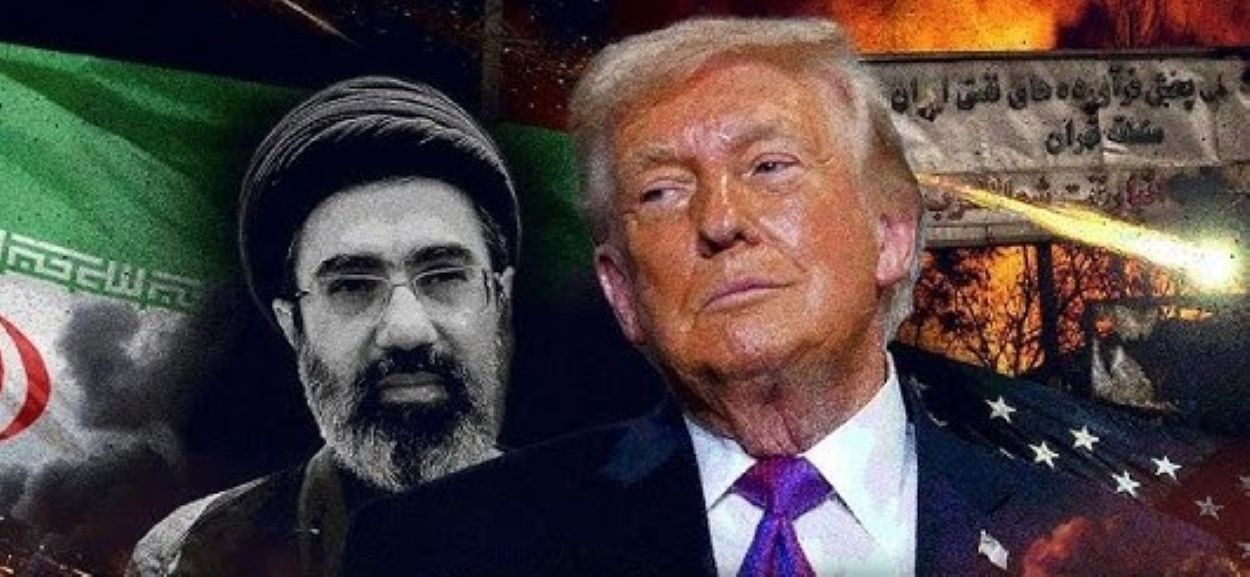

The Iran 10-point peace plan has emerged as the basis for the next phase of diplomacy, following Iran’s agreement to a two-week ceasefire with the United States and its announcement that talks would begin in Islamabad on April 11. AP reported that Iran accepted the temporary truce after Pakistan helped mediate the deal and after President Donald Trump pulled back from threatened escalation tied to the Strait of Hormuz.
Iran’s proposal sets out broad military, economic and strategic demands. Those include sanctions relief, the release of frozen assets, recognition of Iran’s uranium enrichment programme, and a binding UN Security Council resolution to formalise any final settlement. AP also reported that Iran’s proposal included controversial demands linked to the Strait of Hormuz and enrichment, though not all the details were publicly disclosed.
Iran’s 10-point peace plan sets sweeping conditions
Iran’s 10-point framework calls for controlled passage through the Strait of Hormuz in coordination with Iranian armed forces, an end to war against all elements of the “axis of resistance,” and the withdrawal of U.S. combat forces from bases across the region.
It also includes full compensation for Iran’s damages, the lifting of primary and secondary sanctions, the removal of international oversight resolutions, and the release of Iranian assets frozen abroad. The final two elements call for acceptance of Iran’s uranium enrichment programme and for all terms to be ratified through a binding Security Council resolution. AP’s reporting aligns with the broader outline, especially on Iran’s demands for control-linked passage through the strait, sanctions relief, the release of frozen assets, and recognition of enrichment.
Pakistan’s mediation helped move the talks forward
Pakistan shared the plan through mediators as part of urgent efforts to stop further escalation. AP reported that Pakistan played a central role in brokering the two-week ceasefire and that the next round of negotiations would take place in Islamabad on Friday, April 11.
Prime Minister Shehbaz Sharif also said he had invited Iranian and U.S. delegations to meet in Islamabad. AP separately reported that Pakistan’s intervention came during Trump’s abrupt shift from threats of wider attacks to a temporary diplomatic pause.
Trump accepted a temporary ceasefire before his deadline
Trump’s ceasefire announcement marked a sharp reversal from earlier rhetoric. AP reported that he had threatened severe action tied to reopening the Strait of Hormuz, then later accepted what he described as a “workable” basis for talks and suspended planned escalatory strikes.
The agreement depended on Iran pausing its blockade of oil and gas supplies through the strait, which normally carries about one-fifth of global oil shipments. AP likewise reported that Iran agreed to allow passage under a temporary ceasefire arrangement, though the wider political and military situation remained fragile.
According to the APP, Iranian Foreign Minister Abbas Araghchi said Tehran would stop counter-attacks and provide safe passage through the waterway. AP reported that Iran accepted a two-week ceasefire and linked the pause to continued negotiations rather than a final peace settlement.
Read: Shehbaz Sharif’s Trump Plea Faces Scrutiny Over Drafted X Post
That means the current agreement looks more like a short-term diplomatic opening than a permanent end to the war. Even with talks scheduled in Islamabad, major differences remain over sanctions, military deployments, the Strait of Hormuz, and Iran’s nuclear programme.