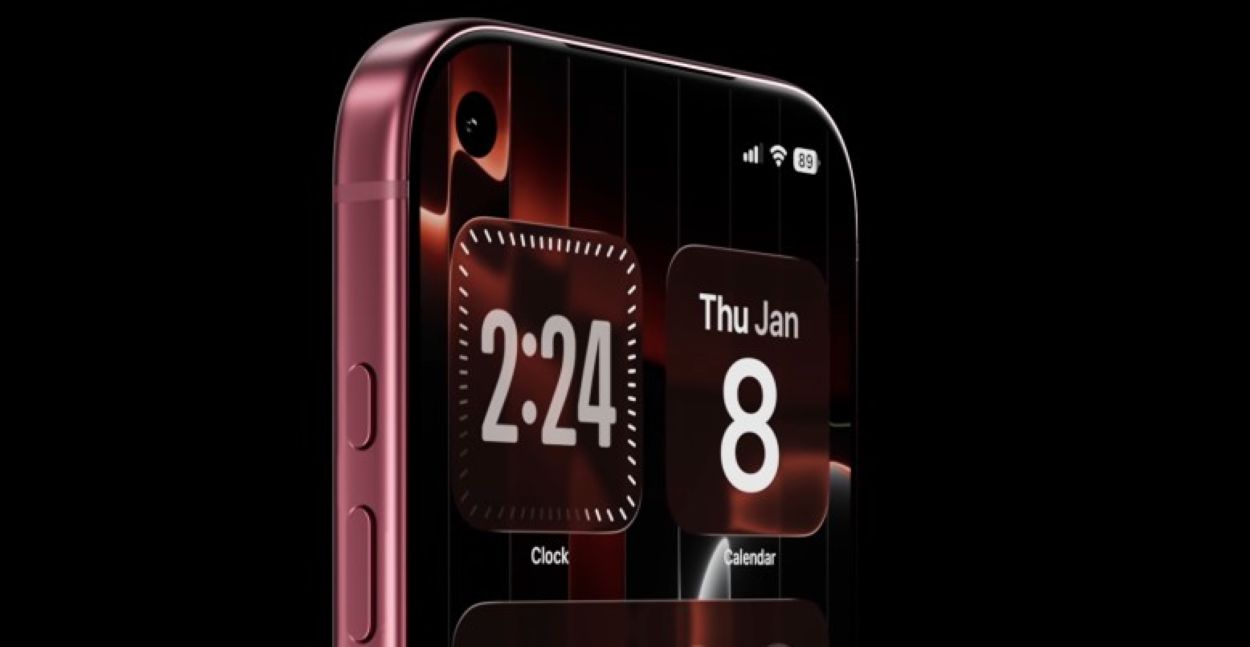

Rumours circulating in the tech space suggest that the iPhone 18 Pro’s variable-aperture feature could make its way to Apple’s next flagship device. If true, this upgrade may give users greater creative control over light and depth of field, something traditionally reserved for dedicated cameras.
The reported feature would allow users to switch between F1.5 and F2.4 apertures. While Samsung previously introduced similar technology in the Galaxy S9 and S10, Apple may refine the concept with its own software-driven approach.
For photography enthusiasts and everyday users alike, this development could mark an important step forward in smartphone camera innovation.
What is iPhone 18 Pro Variable Aperture?
Aperture is often described as the mechanical “pupil” of a camera. It controls how much light reaches the image sensor.
A wider aperture, such as F1.5, allows more light to enter. This improves low-light performance and creates a soft, blurred background effect. On the other hand, a narrower aperture, such as F2.4, reduces light intake and keeps more of the background in focus. This setting works well in bright environments or landscape photography.
If Apple introduces a variable aperture on the iPhone 18 Pro, users could switch between the two modes depending on lighting conditions and creative intent.
Samsung’s Earlier Innovation
Samsung first introduced variable aperture in the Galaxy S9 and S10 models. At the time, it was considered a breakthrough feature in smartphone photography.
However, the company later removed it from newer models. Reports now suggest that Samsung may revive the feature in upcoming devices. If Apple adopts a similar capability, it would signal renewed interest in hardware-based photography enhancements.
iPhone 18 Pro: What We Know So Far
> Under-display Face ID (top left)
> 35% smaller Dynamic Island (20.76mm to 13.49mm)
> Brighter, more efficient OLED
> 5,200± mAh battery on eSIM-only variants
> Variable aperture on the main camera
> Teleconverter support similar to… pic.twitter.com/sKFW2GKYxV
— Noah Cat (@Cartidise) February 7, 2026Unlike Samsung, which offers detailed manual controls in its Pro Mode, Apple typically focuses on automated optimisation. Therefore, if the iPhone 18 Pro includes a variable aperture, it may combine manual control with Apple’s computational photography strengths.
Why Variable Aperture Still Matters
Over the years, computational photography has transformed smartphone imaging. Software now automatically simulates background blur, adjusts lighting, and enhances details.
Even so, hardware control over aperture provides a more natural and artistic result. Photographers often prefer genuine optical adjustments over software simulations. A variable aperture allows for intentional depth-of-field control, especially in portraits and landscape shots.
Read: iPhone 18 Pro Max Battery May Cross 5,000mAh, Leak Suggests
Recent camera advancements support this direction. For example, larger sensors are becoming more common in flagship smartphones. The upcoming Galaxy S26 Ultra is expected to feature a 200 MP sensor, while the iPhone 18 Pro may reportedly include a 48 MP sensor with a 1/1.28-inch sensor size. Larger sensors combined with aperture control could unlock more authentic blur effects and better low-light images.
Smartphone cameras continue to close the gap with traditional cameras. Features such as larger sensors, improved lenses, and enhanced image processing demonstrate how seriously manufacturers take photography.
If Apple introduces variable aperture in the iPhone 18 Pro, it would represent more than a borrowed idea. It would reflect a broader industry shift back toward hardware innovation, paired with advanced software processing.
Ultimately, the success of this feature will depend on how Apple implements it. Seamless integration, ease of use, and intelligent automation could make it appealing to everyday users aged 15 and above, while still satisfying more experienced photographers.
For now, these details remain speculative. However, the possibility of variable aperture returning to flagship smartphones makes the iPhone 18 Pro one of the most anticipated camera upgrades in recent years.