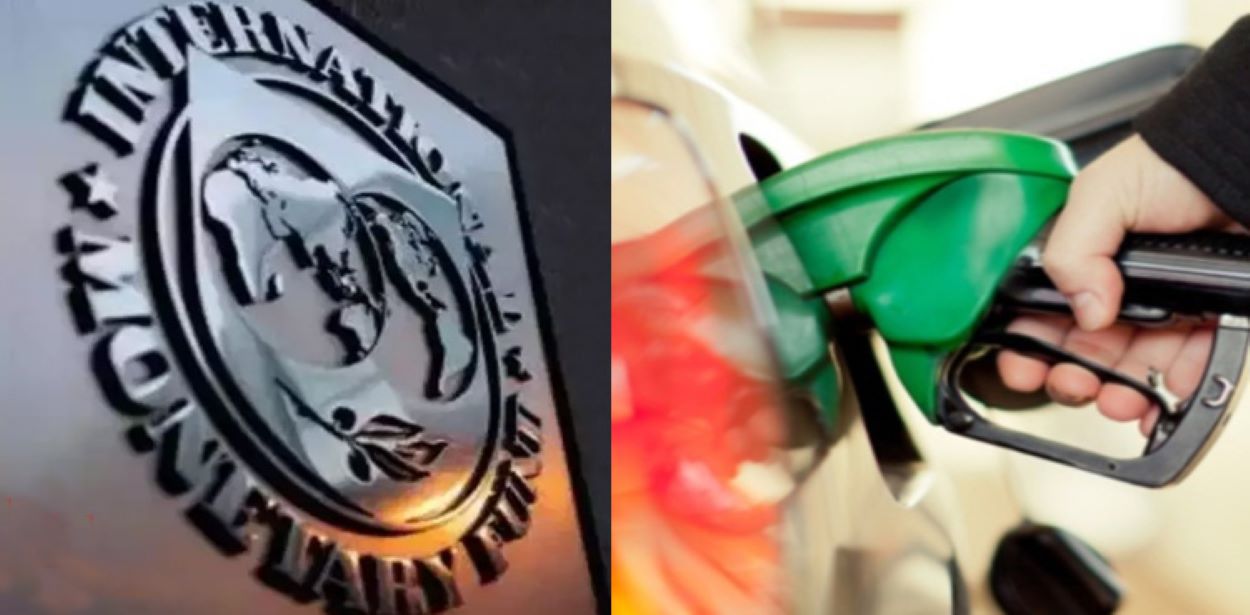

The IMF urges Pakistan to raise fuel prices immediately, sources said Friday, as Islamabad holds virtual talks with an International Monetary Fund delegation amid rising energy risks and pressure on fiscal targets.
According to sources, the IMF asked Pakistan to pass on any increase in petroleum product prices to consumers without delay and ensure that no subsidy is provided on petrol and diesel.
Sources said the IMF also stressed that Pakistan must protect its petroleum development levy (PDL) target of Rs1.468 trillion by June 30.
From July to December, the government collected Rs822 billion under the PDL, sources said, which is more than 60% of the fiscal-year target. During the talks, both sides also discussed proposals meant to save energy and help control the current account deficit.
Energy-saving proposals under discussion
According to sources, one proposal involves shifting schools and colleges to online classes in a first phase, followed by smart working arrangements for universities and government offices in a second phase.
Read: IMF Seeks UAE $2 Billion Deposit Rollover in Pakistan Economic Talks
Other measures discussed include setting fixed opening and closing hours for shops and markets, and encouraging grocery stores and restaurants to adopt delivery services to reduce energy consumption. Sources said a comprehensive implementation plan with these recommendations would be presented to the government.
Why the timing matters: Strait of Hormuz risk
The discussions come as Pakistan considers broader fuel-saving steps due to potential supply disruptions in the Middle East following Israel-US strikes on Iran, sources said.
The conflict has disrupted shipping through the Strait of Hormuz, a key route for global crude oil and LNG flows. Iran’s Revolutionary Guards have claimed “complete control” over the waterway, further intensifying risk perceptions.
In that context, sources said Pakistan is preparing a national action plan that could include online and smart working arrangements similar to those used during the Covid-19 pandemic.