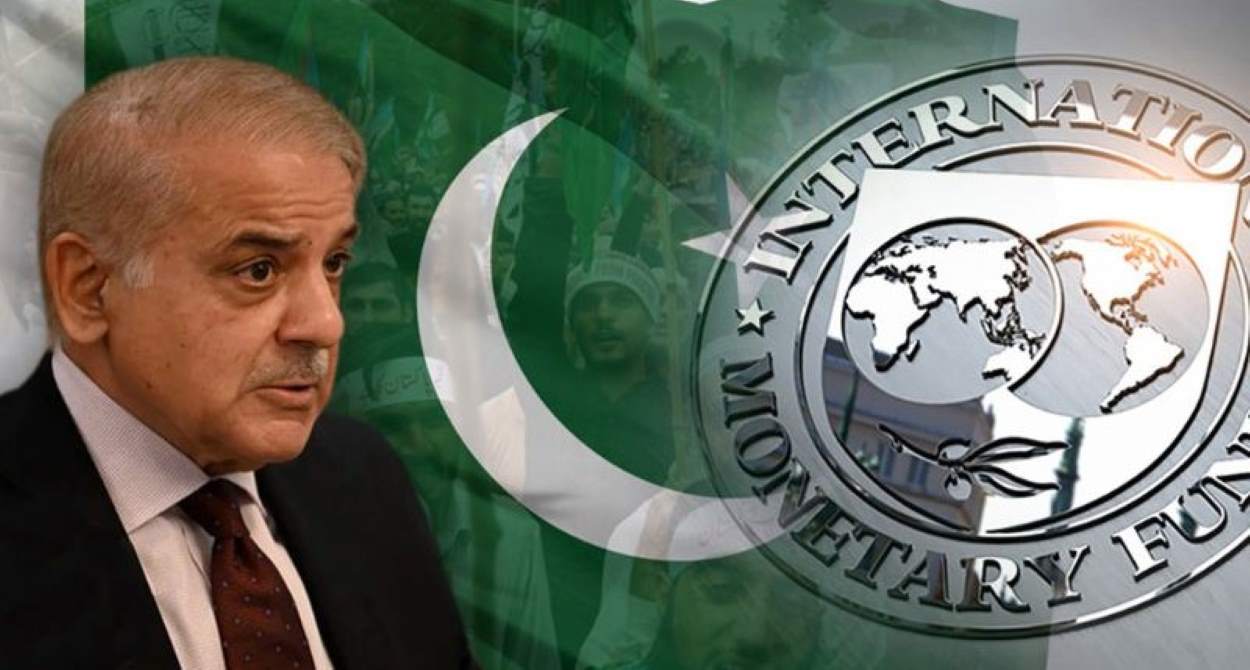

The IMF Pakistan budget 2026-27 agreement has advanced following the International Monetary Fund’s sharing of the Memorandum of Economic and Financial Policies (MEFP) with Pakistani authorities.
Both sides are now exchanging draft documents to finalise a staff-level agreement. This step is crucial for unlocking $7 billion under the Extended Fund Facility (EFF) and an additional $1.4 billion under the Resilience and Sustainability Facility (RSF).
C. It sets the Federal Board of Revenue (FBR) tax collection target at Rs15.08 trillion. Meanwhile, the target for the current fiscal year has been revised downward to Rs13.4 trillion from Rs13.79 trillion. These adjustments reflect ongoing economic challenges and revenue constraints.
The Fund has also urged Pakistan to revise petroleum, oil, and lubricant (POL) prices more frequently. The government recently shifted from fortnightly to weekly reviews. However, the IMF is pushing for even quicker adjustments to better reflect global market fluctuations. Officials are still negotiating the exact frequency of these changes.
Read: IMF Assesses Countries as Iran War Raises Economic Risks
Alongside IMF discussions, new analysis highlights rising external risks. A report by the Pakistan Institute of Development Economics (PIDE) warns that the Middle East crisis could evolve into a broader global economic shock. The study suggests Pakistan’s exports to Gulf Cooperation Council (GCC) countries could fall by $1.5 to $2 billion if disruptions in the Strait of Hormuz continue.
Higher global oil prices present another major concern. The report estimates that rising prices could add $4.5 billion to Pakistan’s import bill. This increase would widen the current account deficit and further strain foreign exchange reserves. Pakistan remains highly exposed, as over 80% of its energy imports pass through the Strait of Hormuz.
The analysis also warns of rising inflation and trade imbalances. If oil prices double from $80 to $160 per barrel, Pakistan’s trade deficit could expand sharply. Inflation could also increase significantly, affecting household purchasing power. At the same time, higher freight costs and disrupted shipping routes may weaken export competitiveness, especially in the textile sector.
Another critical risk involves remittances from Gulf countries. Any slowdown in these inflows could strain Pakistan’s balance of payments. Given the country’s reliance on external inflows, reduced remittances would directly impact economic stability.
Pakistan now faces a complex economic environment. IMF negotiations, rising oil prices, and regional instability are all shaping the outlook. Policymakers must balance fiscal discipline with economic stability. The outcome of these discussions will play a key role in determining Pakistan’s financial path in the coming months.