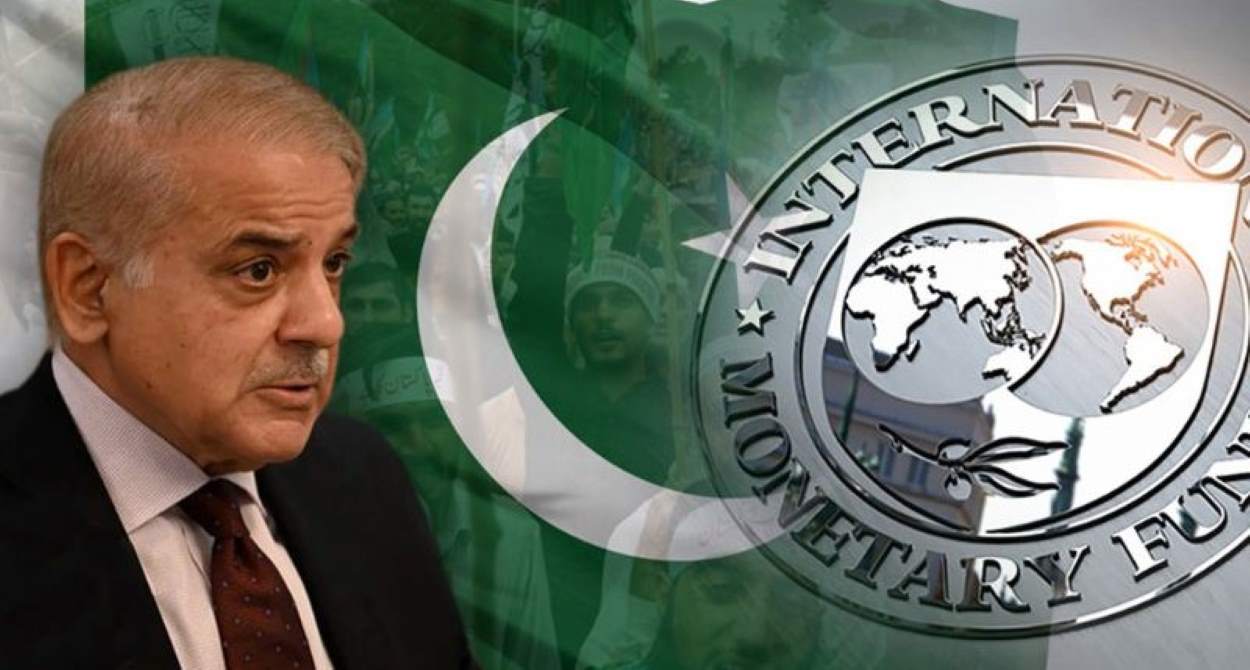

The International Monetary Fund (IMF) has imposed 11 new stringent conditions on Pakistan. These targets address deep-rooted governance and economic issues. The lender released its staff-level report for the second review on Thursday. The fresh conditions bring the total to 64 under the current $7 billion bailout program.
A key condition mandates public asset declarations for senior officials. Pakistan must publish these declarations on a government website by December 2026. The goal is to identify mismatches between income and assets for high-level federal civil servants. This requirement will later expand to provincial civil servants.
The National Accountability Bureau (NAB) will lead a major anti-corruption drive. It must develop action plans for ten high-risk government departments by October 2026. Provincial anti-corruption agencies will also receive enhanced powers and support. They will gain access to financial intelligence for investigating corruption within their jurisdictions.
The IMF has also targeted the costly remittance sector. Pakistan must complete a comprehensive assessment of remittance costs and barriers by May 2026. This follows projections that remittance costs could rise to $1.5 billion. Remittances are Pakistan’s largest source of financing for essential imports.
To break “elite capture,” the IMF demands a national sugar market liberalisation policy. The federal cabinet must adopt this policy by June 2026. It must cover licensing, price controls, import and export regulations, and zoning. The goal is to dismantle entrenched monopolies in the vital sugar industry.
Read: State Bank of Pakistan Receives $1.2 Billion IMF Tranche
Major reforms are also mandated for the Federal Board of Revenue (FBR). The government must finalise a detailed reform roadmap by the end of December 2025. This includes staffing assessments, timelines, and key performance indicators. Full implementation of at least three priority areas must follow based on this plan.
Other conditions include a comprehensive study on developing the local bond market by September 2026. The government must also prepare private sector participation plans for power utilities (HESCO/SEPCO). Amendments to modernise the Companies Act, 2017, and the SEZ Act are also required.
The IMF report notes the government’s agreement to a potential “mini-budget.” This would be triggered if revenue falls short by December 2025. Measures could include raising duties on fertilisers and pesticides and taxing high-value sugary items.