

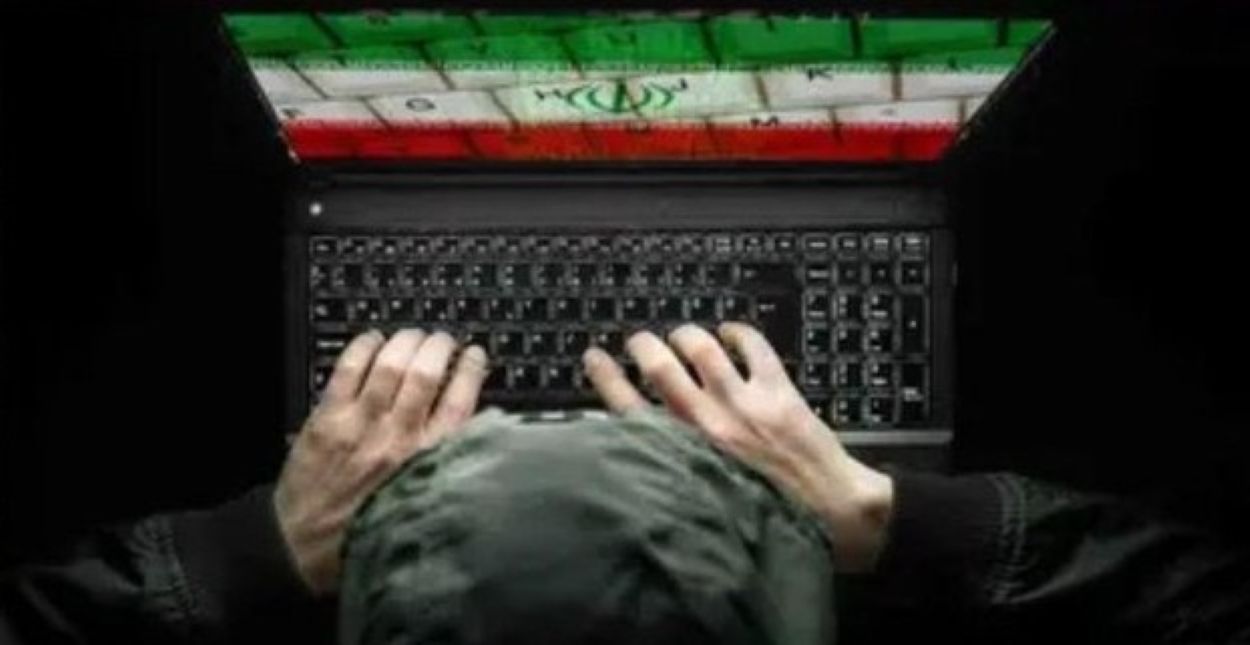

Handala is a self-described pro-Palestinian cyber persona that has claimed responsibility for recent attacks targeting Stryker and the Academy of the Hebrew Language. Reporting on the Stryker incident said the group’s logo appeared on login pages, though some details of the attack remained under investigation.
Security researchers say Handala is more than a loose online brand. CrowdStrike identifies Handala Hack Team as a persona used by BANISHED KITTEN, an Iran-nexus adversary with links to Iran’s Ministry of Intelligence and Security, while Check Point describes Handala as one of the online identities associated with Void Manticore, another Iran-linked designation for the same activity cluster.
According to Check Point, the group focuses on disruption, data leaks, and psychological pressure. Its operations are designed not only to breach systems but also to create reputational damage by timing leaks and public claims for maximum impact.
Handala Hacking Group Explained Through Its Tactics
Threat intelligence reporting says Handala often relies on phishing and other intrusion methods to gain access, then combines that access with destructive activity. Check Point said Void Manticore has used custom wiper malware in attacks tied to its online personas, while outside tracking sources describe Handala as a destructive actor rather than a typical profit-driven ransomware group.
The group also tries to make its tools harder to block. The source content says Handala has used file-sharing services such as Mega and Storj to host malicious payloads, a tactic that aligns with broader threat reporting describing flexible delivery methods and information operations.
Its name carries political symbolism as well. Handala is derived from the well-known Palestinian cartoon character created by Naji al-Ali in 1969, which helps present the cyber persona as a resistance symbol while security firms assess it as part of a state-linked influence and disruption effort.



