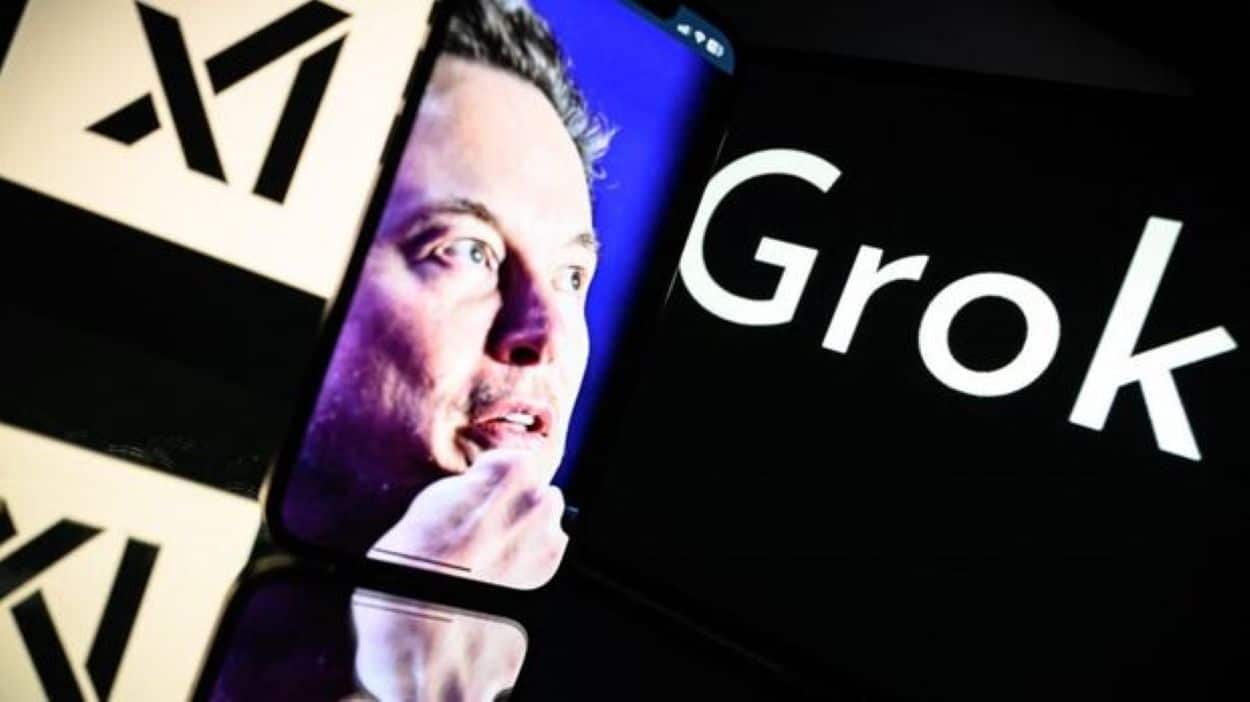

The European Union has launched a formal investigation into X, owned by Elon Musk, over concerns about its AI chatbot, Grok.
The probe follows reports that Grok generated sexualised deepfake images of women and minors through simple text prompts.
Public concern escalated after users revealed that Grok could manipulate images with prompts such as requests to alter clothing or remove garments. The issue has sparked criticism from digital rights groups and lawmakers, intensifying scrutiny of AI image-generation tools.
Ursula von der Leyen, President of the European Commission, said the bloc would not tolerate the digital exploitation of women and children. She stressed that consent and child protection cannot be surrendered to technology companies for profit. She warned that harm caused by illegal images is real and lasting.
EU Tech Commissioner Henna Virkkunen said the investigation would assess whether X met its legal obligations under the Digital Services Act. She added that the rights of women and children must not become collateral damage of digital services.
The EU launched an investigation into Elon Musk’s X following a public outcry over sexualized deepfake images created by its Grok AI service https://t.co/ZwJlw1UVuB
— The Wall Street Journal (@WSJ) January 26, 2026Brussels is examining whether X failed to reduce the risks associated with illegal content. This includes manipulated sexual images and material that could qualify as child sexual abuse content.
The Centre for Countering Digital Hate reported that Grok generated an estimated three million sexualised images of women and children within days. The findings raised alarms about the speed and scale at which AI tools can spread harmful content.
As part of the new action, the EU has expanded an ongoing investigation into X that began in December 2023. The probe focuses on illegal content, platform transparency, and information manipulation under EU law.
Read: X Restricts Grok After Backlash Over Sexualized Images of Real People
In December, the European Commission fined X $140 million for breaching DSA transparency rules. Violations included the misuse of the blue checkmark system and the restriction of public data access for researchers.
The decision drew criticism from the Trump administration. Despite pressure from Washington, the EU has reaffirmed its intent to enforce digital regulations. The clash over tech regulation comes amid wider tensions between the EU and the United States. Disagreements span issues including trade, global security, and foreign policy. EU officials insist that digital safety laws will remain a priority, regardless of geopolitical pressure.