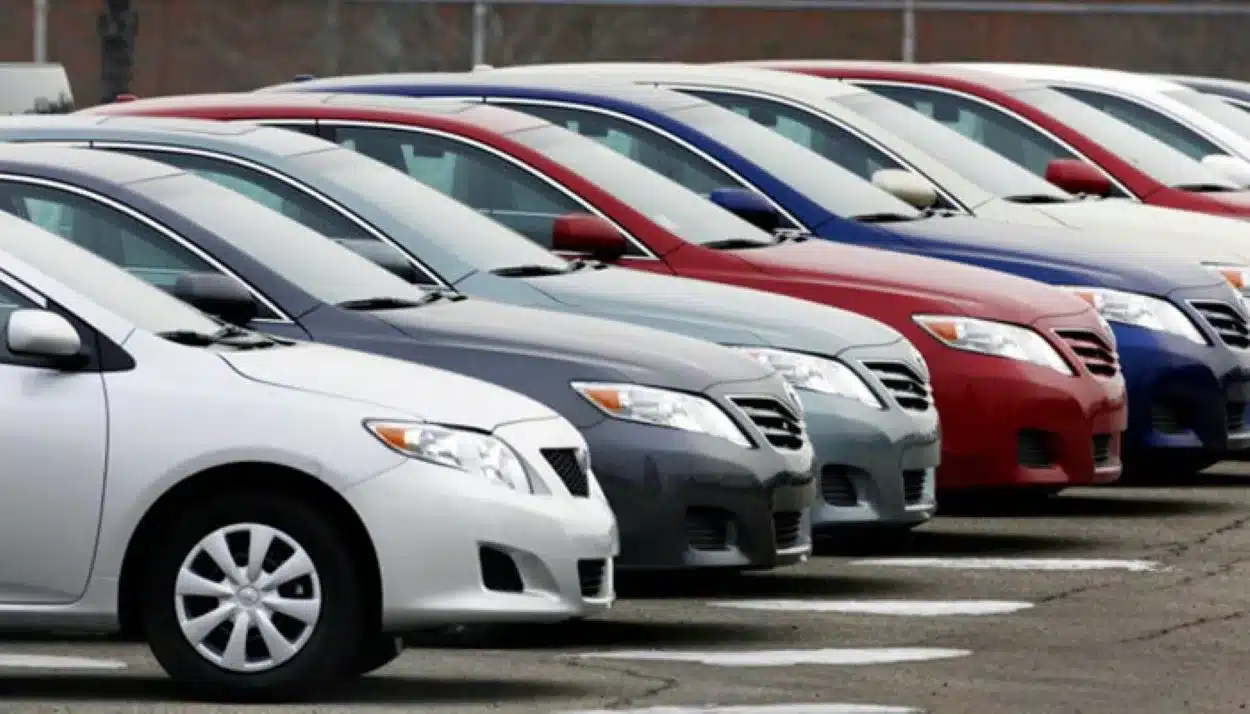

The Economic Coordination Committee (ECC) of the Cabinet imposed significant new restrictions on car imports and approved substantial financial interventions for the power sector and PIA. Finance Minister Muhammad Aurangzeb chaired the meeting on Tuesday.
The committee abolished the baggage scheme for importing used cars, a move that contradicts earlier commitments to the IMF to liberalise vehicle imports. It also tightened conditions for the remaining Transfer of Residence and Gift Schemes, potentially limiting competition for local assemblers.
The ECC approved a new Circular Debt Management Plan for 2025-26. The plan allows a Rs522 billion increase in the circular debt, which taxpayer-funded budgetary subsidies will fully offset.
This mechanism aims to keep the net stock of circular debt unchanged at Rs1.614 trillion. The Power Division projects a base flow of Rs734 billion, to be mitigated to zero through tariff hikes, improved recoveries, and this fiscal support. The ECC directed the development of a medium-term plan to reduce this fiscal burden gradually.
Read: Govt Plans Stricter Used Car Import Laws to Aid Local Auto Industry
The revised import policy retains only two schemes. The stay-abroad requirement was increased from two to three years. Imported vehicles will now be non-transferable for one year.
The cumulative period of stay abroad required to qualify for the Gift and Transfer of Residence Schemes increased from 700 days to 850 days. Vehicles must also originate from the beneficiary’s country of residence. These restrictions may protect local manufacturers but reduce competitive pressure for better quality and pricing.
The ECC granted in-principle approval for Rs2.5 billion to cover PIA employee pensions and medical bills. This is in addition to Rs31.7 billion already budgeted for interest payments on PIA’s legacy loans, bringing the total indirect bailout to Rs34.7 billion this fiscal year.
The committee also approved increased profit margins for oil marketing companies and dealers. Margins rose by 5%-10%, driven by inflation. This will raise petrol and diesel prices by Rs 2.56 per litre. Half of the increase is immediate; the remainder depends on the progress of digitisation.
The ECC restricted chloroform imports to pharmaceutical companies requiring a NOC from DRAP. It also approved a Rs1.28 billion supplementary grant for the Pakistan Digital Authority and allocated Rs5 billion to the Housing and Works Division. These decisions reflect ongoing fiscal pressures in key state-owned sectors