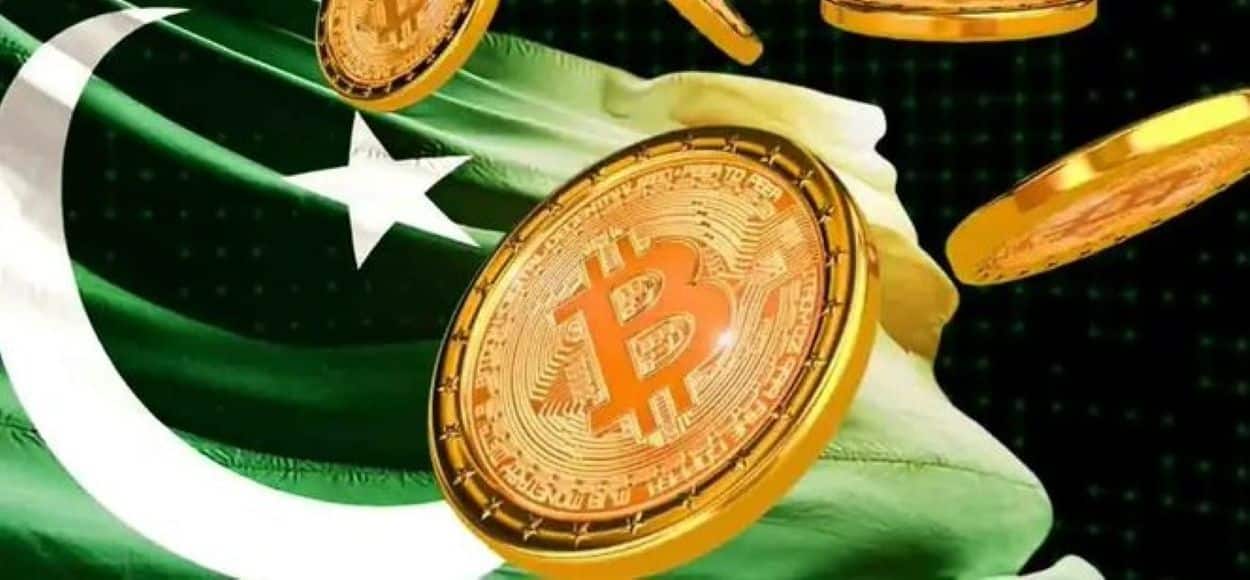

Pakistan will launch crypto mining operations within the next few weeks, according to Pakistan Virtual Regulatory Authority (PVARA) Chairman Bilal Bin Saqib, marking a significant shift in the country’s digital policy.
In an exclusive interview with ARY News, Mohammad Malick asked Saqib whether recent technological advances have made bitcoin mining more efficient. He explained that authorities can install mining hardware directly at power plants, allowing Pakistan to use surplus electricity productively.
Saqib confirmed that regulators will roll out the first phase of crypto mining shortly. After the launch, authorities will engage with stakeholders to address public concerns. He said crypto mining can help Pakistan convert excess electricity into dollar-denominated revenue, strengthening the economy.
Read: Hong Kong’s Largest Licensed Crypto Exchange Begins Trading
Citing a 2025 analytical report, Saqib said Pakistan ranks third globally in crypto-related activity. He noted that in 2018, the State Bank of Pakistan issued directives restricting cryptocurrency transactions due to the absence of a legal framework.
He said those regulatory gaps led the government to establish PVARA. The authority is now implementing a licensing regime to regulate crypto-related businesses and improve transparency.
Saqib compared cryptocurrencies to emerging technologies such as robotics and quantum computing, which governments regulated gradually rather than banning outright. He said Pakistan is adopting the same approach through structured oversight.
He warned that delays in regulating blockchain and digital assets could expose Pakistan to renewed scrutiny and raise the risk of returning to the FATF grey list.
Saqib said young Pakistanis drive most crypto adoption, as they prepare for future technologies. He stressed that the government must create lawful pathways to support innovation.
Pointing to Singapore, he highlighted government-backed digital security pilot projects. He said Pakistan could also raise funds through capital markets instead of relying only on the International Monetary Fund