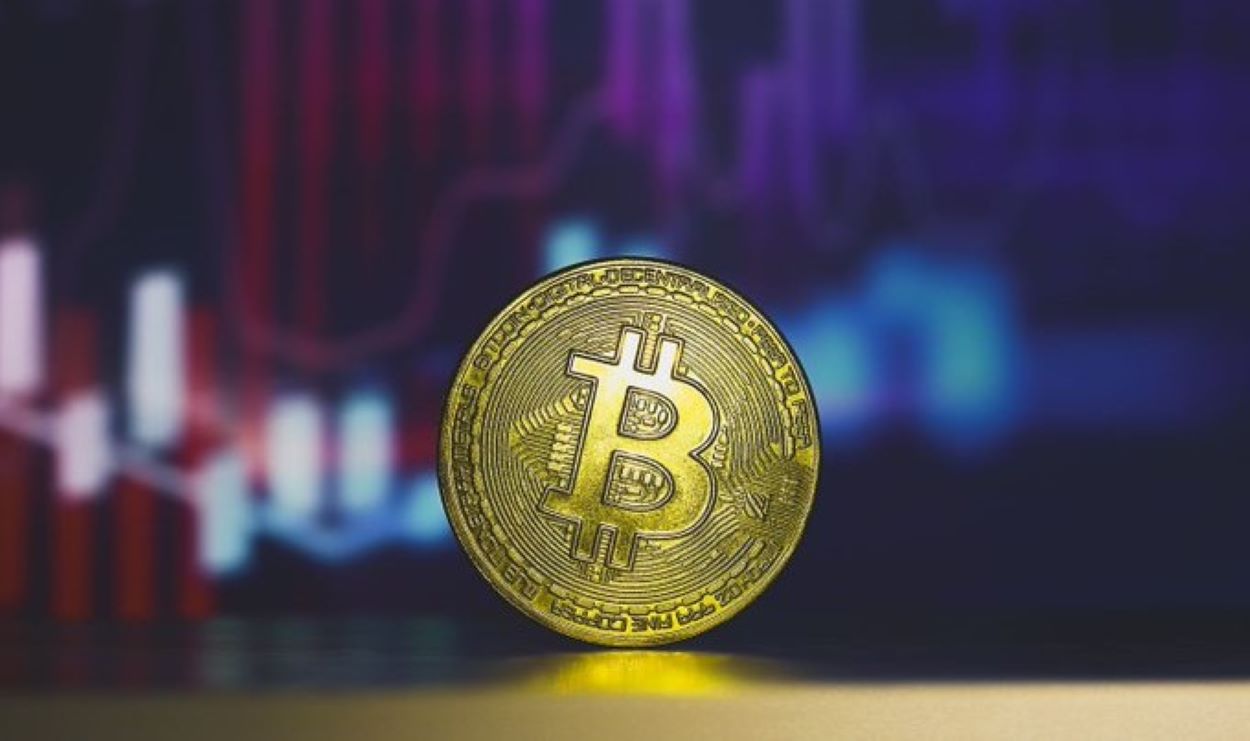

Bitcoin traded close to a two-month high on Wednesday as softer US inflation data improved investor sentiment across risk assets. The easing price pressure lifted expectations of looser financial conditions and supported demand for cryptocurrencies.
The world’s largest cryptocurrency hovered near $95,000, building on recent gains. Investors reacted positively to signs of cooling inflation and rising geopolitical uncertainty, which increased interest in alternative assets. Ethereum also extended its rally and traded near $3,300 as market confidence improved.
Softer inflation helped calm fears of tighter monetary policy. This shift encouraged fresh inflows into digital assets. On-chain data show short-term holders returning to profit, reducing near-term selling pressure and supporting price stability.
#Business | Bitcoin nears $96,000 after US CPI shows stable inflation, highest in nearly two months@Dipen_Journals with details 👇https://t.co/1vtKzabh4u pic.twitter.com/h73MlclGGP
— Moneycontrol (@moneycontrolcom) January 14, 2026Traders continue to watch key technical levels. Analysts view sustained trading above the $92,000 to $94,000 range as critical to maintaining momentum. Bitcoin’s ability to hold these levels has reinforced confidence among buyers.
Altcoins showed mixed performance as liquidity stayed concentrated in major tokens. XRP traded near $2.15, while Solana hovered around $144. Binance Coin remained close to $940, and Dogecoin traded near $0.15.
After weeks of cautious positioning, buyers have started to regain control in early January. Steady spot demand and the unwinding of bearish bets have driven the recent advance. Prices have remained firm rather than pull back sharply, signalling stronger conviction rather than short-term speculation.
Overall, analysts say the crypto market is showing improving strength. Softer inflation, geopolitical risks, and supportive on-chain signals continue to lift sentiment. Bitcoin’s hold above key levels and Ethereum’s relative strength are likely to shape the near-term direction, while altcoins may remain volatile until liquidity improves and macroeconomic uncertainty fades.