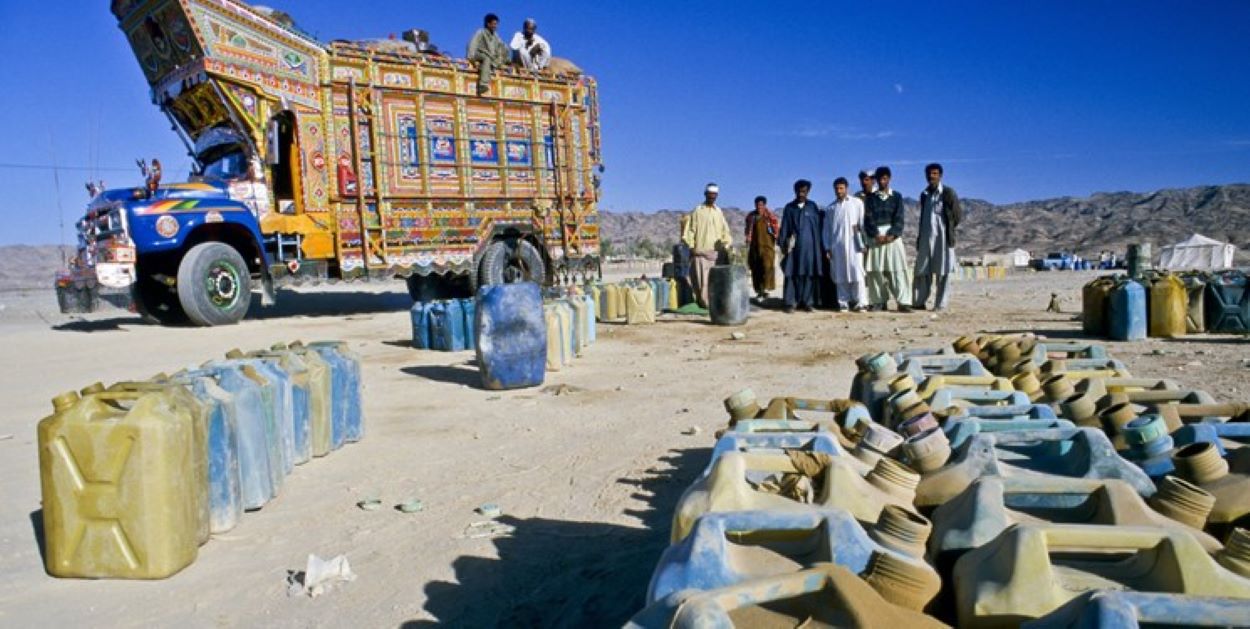

The Balochistan-Iranian petrol price-fixing decision has set the official rate of Iranian petrol at Rs280 per litre across the province. The Government of Balochistan announced the move to stop overcharging and warned that authorities will take legal action against any dealer or vendor who sells fuel at a price above the new rate.
Officials said the decision aims to curb illegal profiteering and stabilise the local fuel market. The move came after some sellers began charging between Rs300 and Rs360 per litre following the federal government’s recent announcement of a rise in petroleum prices.
The provincial administration said it introduced the fixed rate to protect consumers from exploitation. Authorities also made it clear that they will act strictly against anyone violating the newly prescribed price. The price cap comes at a time when fuel costs remain a major concern for households and transport users across Pakistan.
Why Iranian petrol matters in Balochistan
Because Balochistan shares a long border with Iran, large quantities of cheaper Iranian petrol regularly enter the province. For many local residents, this cross-border fuel trade provides an important source of livelihood.
By fixing the price, the provincial government aims to regulate this informal market while improving price stability for ordinary consumers.
The provincial decision follows a sharp increase in national fuel prices. Pakistan’s petrol price rose to Rs458.41 per litre on April 3, 2026, triggering public criticism and concern over the wider cost of living.
Read: Petroleum Smuggling Costs Pakistan a Billion Dollars Annually
Traders warned of protests if the increase was not withdrawn, while rights groups urged the government to review the decision and offer relief.
Prime Minister Shehbaz Sharif later announced a cut in the petrol levy, reducing the petrol price to PKR 378 per litre. The government also introduced subsidies for motorcycle users, goods transport vehicles, and passenger vehicles.
Even with the later reduction, the fuel price shock may still have broader consequences. Higher fuel costs often increase transport costs, which can, in turn, affect food and construction prices.
That means the Balochistan government’s decision to cap the price of Iranian petrol may offer some relief locally, even as the national debate over fuel affordability continues.