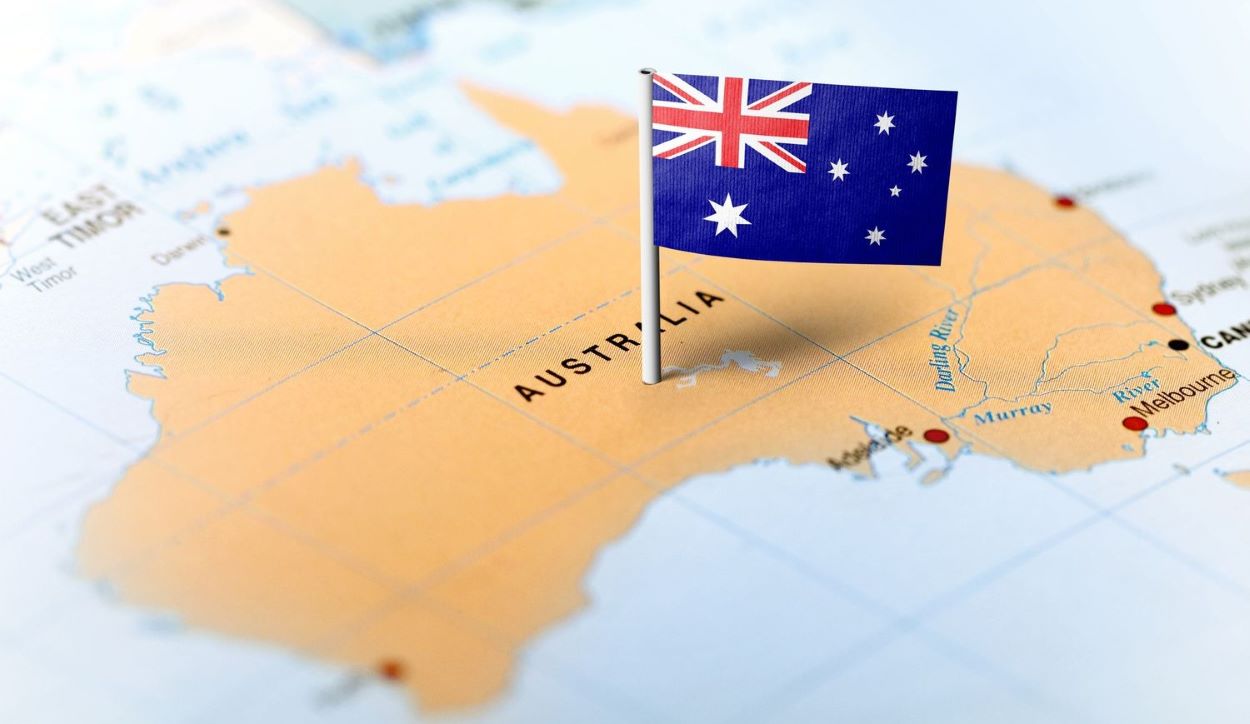

Australia has stepped up scrutiny of student visa applications from India, Nepal, Bangladesh, and Bhutan. It shifted the four South Asian countries into its highest-risk category, described as “emerging integrity issues,” according to Australian media reports.
The Department of Home Affairs confirmed that an unusual out-of-cycle review took place on January 8, 2026. As a result, the Evidence Levels for the four countries were raised from Level 2 to Level 3 under Australia’s Simplified Student Visa Framework.
The move places applicants from these countries in the highest-risk category for student visas. Together, India, Nepal, Bangladesh and Bhutan accounted for nearly one-third of Australia’s international student enrolments last year.
A Home Affairs spokesperson said the decision aims to better manage integrity risks. They also want to support genuine students. The spokesperson added that the government wants international students to remain confident that they are investing in a high-quality education system.
#Australia has tightened checks for #studentvisa applicants from India as it moved India into the 'highest-risk' category along with #Nepal, #Bangladesh and #Bhutan. The new categorization came into effect from #January 8 2026, as these four South-Asian countries have been moved… pic.twitter.com/k2eL5qj7ag
— The Times Of India (@timesofindia) January 11, 2026Former immigration department deputy secretary Abul Rizvi described the change as highly unusual. He noted that Evidence Levels are typically reviewed annually, not through mid-cycle adjustments. Under the framework, countries are assessed using indicators such as fraud-related refusals, visa cancellations, unlawful overstays, and subsequent asylum claims.
An Evidence Level 3 rating requires both applicants and education providers to submit more detailed documentation. This includes stronger proof of financial capacity and academic history. Rizvi said the shift will increase manual checks, such as transcript and financial verification. It is also likely to slow visa processing times.
The change follows a visit to India last month by Julian Hill, who met with Home Affairs officials. Rizvi suggested the authorities may have conducted special data reviews.
Despite the tougher stance, the government has not altered its national planning level of 295,000 international student places for 2026. Rizvi warned, however, that higher refusal rates from the affected countries could force Australia to source more students from other regions. This would help meet enrolment targets.