

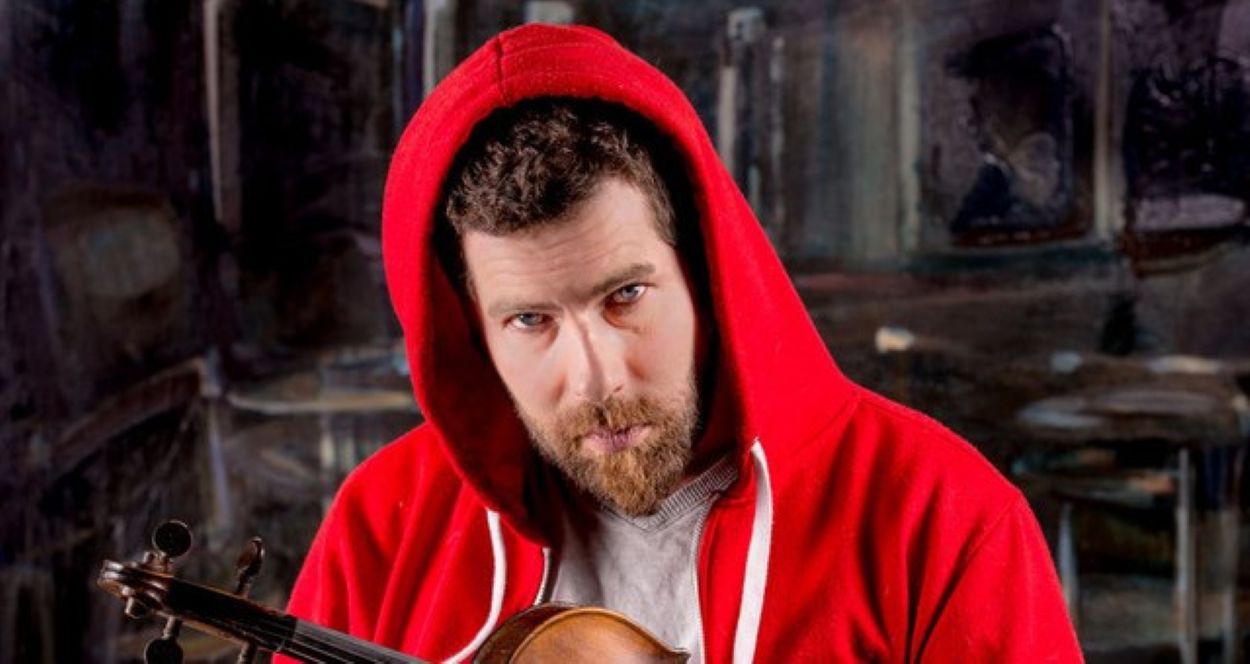

Cape Breton fiddler Ashley MacIsaac is widely regarded as one of Canada’s most influential musicians, celebrated for transforming traditional Celtic music into a bold, electric, genre-defying sound. Yet in late 2025, his career faced an unexpected setback after a major concert in Nova Scotia was cancelled due to a serious error generated by artificial intelligence.
MacIsaac rose to prominence by reimagining the fiddle as a modern, high-energy instrument rather than a museum piece. Growing up in Cape Breton, where Celtic music is central to cultural identity, he learned the violin at a young age and later propelled it onto global stages. His debut album Hi How Are You Today? Broke convention in the 1990s, blending traditional reels with rock, electronic beats, and bagpipes. Tracks such as Sleepy Maggie helped redefine folk music for a new generation and cemented his international reputation.
Despite decades of acclaim, a single algorithmic mistake caused immediate and tangible harm. On December 19, 2025, organisers at a First Nation venue near Halifax abruptly cancelled MacIsaac’s scheduled performance. The decision followed a claim displayed by Google’s AI Overview feature, which falsely identified the musician as a convicted sex offender.
Canadian artist Ashley MacIsaac had a show canceled because AI incorrectly labeled him a sex offender
He's now meeting with lawyers and considering suing Google
(via @CBCNews) pic.twitter.com/qbcZH2H9Zx
— Culture Crave 🍿 (@CultureCrave) January 5, 2026The claim was entirely untrue. MacIsaac has no such criminal record. Subsequent checks confirmed that the AI system had likely confused him with another individual from Atlantic Canada who shared the same surname. While the error was digital, its real-world consequences were severe, costing the artist a major performance and damaging his reputation.
Speaking publicly, MacIsaac addressed the situation with restraint but concern, noting that algorithmic errors can have lasting effects. Venue organizers later issued a public apology after verifying the facts, but by then the damage had already spread online. As MacIsaac and his supporters have pointed out, misinformation on the internet rarely disappears completely.
According to reports, MacIsaac is now consulting legal counsel and is considering a defamation lawsuit against Google. Several Canadian law firms have reportedly offered assistance, emphasizing the broader implications of unchecked AI-generated content. The aim, MacIsaac has indicated, is accountability rather than retaliation, and safeguarding individuals from similar harm in the future.
The incident has intensified debate around artificial intelligence, defamation, and responsibility. It highlights how automated systems, when unchecked, can upend lives, careers, and public trust with a single inaccurate sentence.



