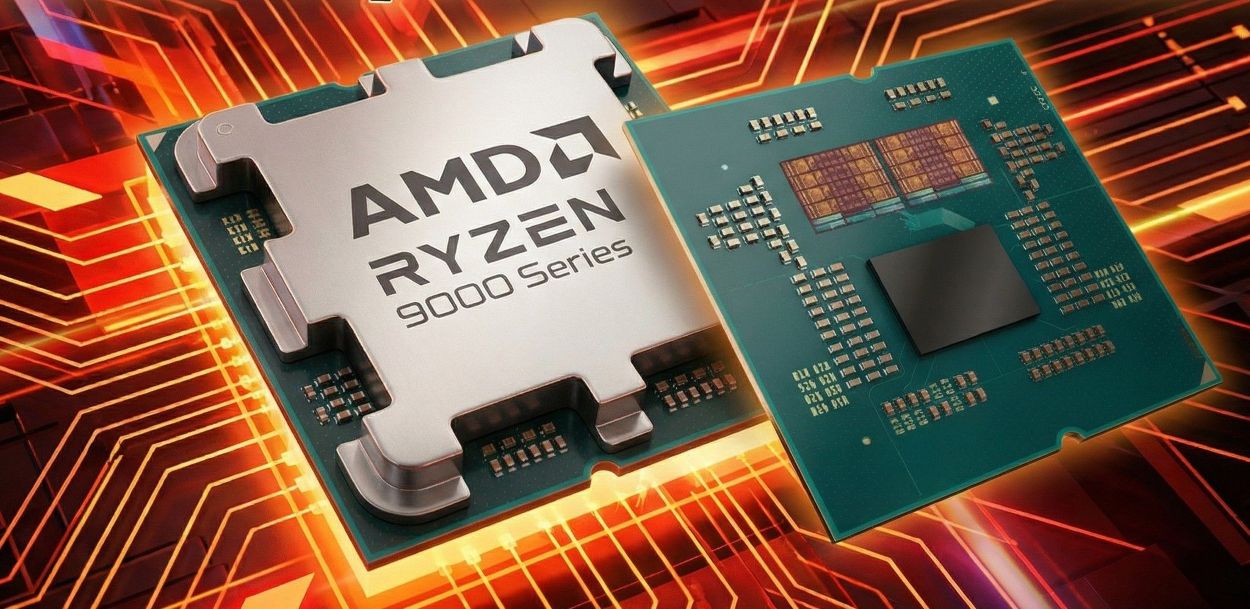

As Consumer Electronics Show 2026 continues into its second day, AMD has expanded its gaming-focused processor lineup with the launch of the Ryzen 7 9850X3D.
The new chip slots above the Ryzen 7 9800X3D and targets enthusiasts who prioritise high frame rates. AMD has positioned the 9850X3D as a higher-binned version of its predecessor, designed to reach faster clock speeds while maintaining the same power profile.
Both the Ryzen 7 9850X3D and the Ryzen 7 9800X3D share identical core specifications. Each features eight cores, 16 threads, and a large 96MB L3 cache. This expanded cache remains the key reason AMD’s X3D processors excel in gaming workloads.
Thanks to improved binning, the Ryzen 7 9850X3D can boost to 5.6 GHz. That marks a clear jump over the 9800X3D’s 5.2GHz boost clock. AMD achieved this increase without increasing thermal design power, which remains 120 watts.
GIGABYTE تطلق تقنية X3D Turbo Mode 2.0 بالذكاء الاصطناعي لمعالجات AMD Ryzen 9000 في CES 2026 https://t.co/BYF98t6MGB
— Saudi News | السعودية تِك (@sauditechnet) January 8, 2026The higher clock speed translates to roughly an eight percent uplift in peak frequency. AMD says this makes the 9850X3D the fastest gaming CPU in its current portfolio. In clock-sensitive titles, it may even outperform the 16-core Ryzen 9 9950X3D, despite that chip’s higher core count.
According to AMD’s internal benchmarks, gaming performance improves by around three to six percent compared with the 9800X3D. Productivity tasks also see gains of about five percent. While the uplift is not dramatic, AMD believes the improvements will matter most to competitive gamers.
AMD cautions that overclocking headroom remains limited. The company advises users not to expect significant gains beyond stock performance, as the chip is already operating near its optimal limits.
AMD has not yet confirmed official pricing. Industry expectations place the Ryzen 7 9850X3D in the $500-$600 range. The Ryzen 7 9800X3D will remain in production and continue to sell at its current price point.
With this launch, AMD is reinforcing its focus on gaming-first CPUs, using cache-heavy designs and refined clock speeds to stay competitive in the high-end desktop market.