
The AI battle in Hollywood is escalating as studios, creators, and audiences clash over the growing role of artificial intelligence in film and advertising. While investment in AI tools continues to surge, resistance within the entertainment industry remains strong.
The tension became apparent when AMC Theatres reversed plans to screen an AI-generated animated short during a Thanksgiving preshow. The film had won a festival award, but AMC said it had not approved the booking and pulled it after online backlash.
The incident highlights a broader challenge. Although AI promises greater efficiency and lower production costs, public acceptance of AI-generated content remains fragile.
Hollywood tá ACABADO.
Isso foi 100% gerado por IA. Cenas de ação nível Transformers, com mechs gigantes, explosões, caças militares, tudo em Paris.
Qualidade que custaria $200 milhões num estúdio. Gerado por uma pessoa com um computador.
IA não vai substituir Hollywood — vai… https://t.co/scQLL3xrAW pic.twitter.com/dTMJHl0X1H
— CV.YH (@0xCVYH) February 22, 2026Money, Models, and the AI Battle in Hollywood
The AI battle in Hollywood reflects a deeper divide between financial momentum and creative scepticism.
AI studios and video-generation platforms continue to attract major funding. Technology companies are racing to release more advanced models designed to speed up production and reduce creative costs. For investors, the opportunity appears significant.
A single Matrix-style scene costs $10M+ in Hollywood. But it is created in 2 minutes with one prompt.
Seedance 2.0 Made this possible 🔥 pic.twitter.com/LAuaHNJxm9
— WasifAI (@doctorwasif) February 22, 2026However, many writers, directors, and advertising professionals remain cautious. They have raised concerns about job displacement, creative dilution, and the long-term impact on storytelling quality.
Audience reaction adds another layer of complexity. Post-Super Bowl research cited by Cafeteria suggested that many Gen Z and Gen Alpha viewers responded negatively to AI-focused advertising. Respondents described AI-generated ads as less appealing than traditional creative work.
Read: Seedance 2.0 AI Copyright Concerns After Studio Complaints
This disconnect creates uncertainty. Wall Street continues to reward AI-linked companies, yet creators and consumers, the core drivers of entertainment demand, remain hesitant.
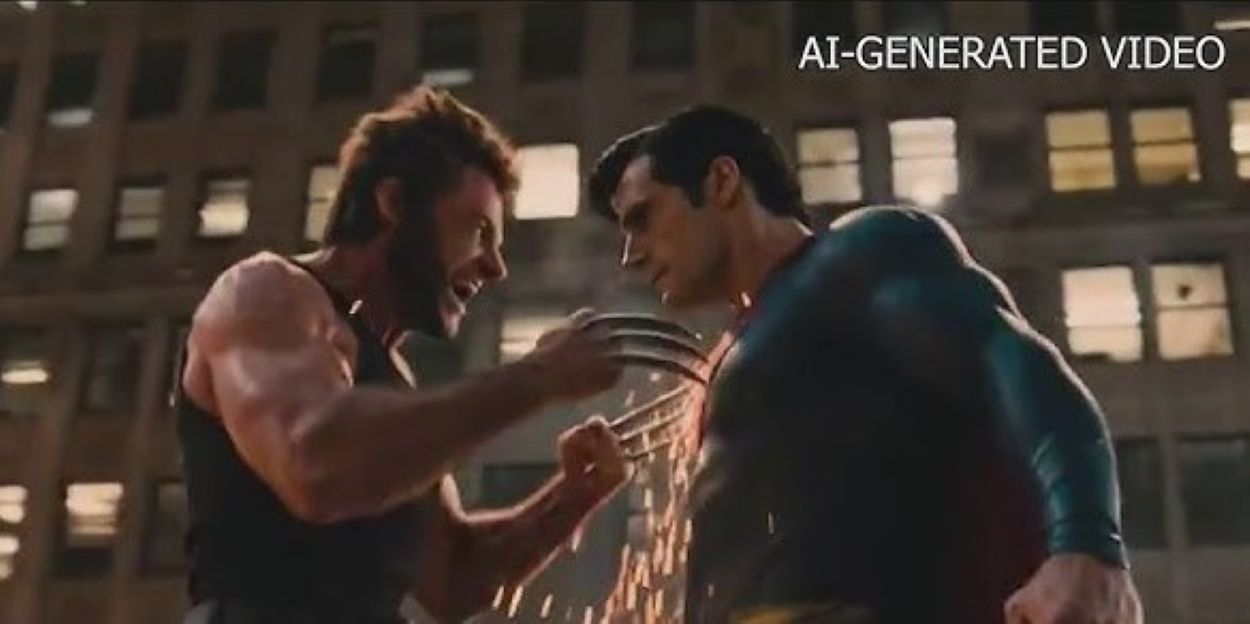
No studio. No production. No boundaries.
Dr. Strange vs Superman powered by Seedance 2.0. 🔥 https://t.co/2vjLVz4Tjj pic.twitter.com/5KFGXe8xYR
— WasifAI (@doctorwasif) February 22, 2026As a result, adoption has been uneven. Companies see potential cost savings, but reputational risks and creative concerns slow full-scale integration.
Until technology developers address both creative concerns and audience scepticism, AI’s place in mainstream entertainment will likely remain debated rather than universally embraced.